
Increased fuel efficiency is always challenging for OEMs and fleets. As massive objects of your truck ruling the road, fuel efficiency is something more concerning. And, if you are the owner of a box truck, you have spent hundreds of dollars to improve the box truck fuel average cost. A box truck averages an estimated fuel of 6 to 10 gallons, which is quite high.
Sadly, despite spending this much on your vehicle, you cannot comprehend the average MPG for your vehicle to maximize efficiency. In this situation, you must know what would be enough to solve this problem, what factors to consider. Let us get into further details!
What Is A Box Truck
A box truck, also known as a straight truck or sube truck used to transport dry and non-perishable goods from one place to another. These are larger vehicles fitted with large cargo areas mounted on a chassis. The size of these kinds of vehicles can range from 10ft to 26 ft, and the width can vary and commonly range from 7.5 to 8 ft. When talking about the overall dimensions like height and length, these are enough for putting items in larger quantities.
Box Truck Fuel Average- What Are The Things To Consider
Fuel is one of the biggest expenses for trucking businesses as an average box truck can get 6 to 11 miles per gallon. Reports say that the owner operators, driving more than 10k miles a month, could spend 70k on fuel every year. In addition to this, the high prices of a pump can also affect your profitability. However, there are ways to lower this expense. The efficiency of your engine, the terrain you are driving, the weather conditions, the speed, and the sizes of your loads, all these factors can contribute to the amount of fuel.
Why, How, And Where Are You Driving
Are you driving another kind of vehicle besides a box truck? Consider everything because every vehicle’s MPG may vary because of its size and type. Referring to semi trucks, they average nearly 7mpg, the dump truck has 5 to 6 mpg, and the medium-duty trucks average 13mpg. However, light-duty trucks, which can carry around 8,5000 pounds, have an average of 12 to 24 mpg. Similarly, moving vehicles on flat highways with long stretches can experience better fuel efficiency as compared to the operation of vehicles on uneven areas.
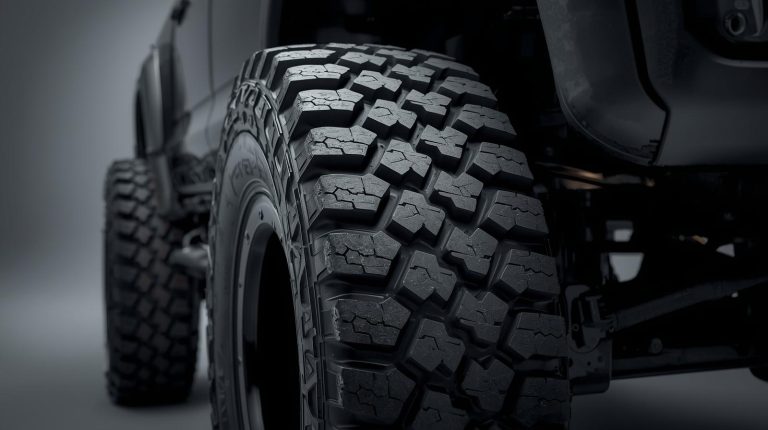
The report says that driving on odd-shaped roads can lead to a drop in fuel economy by 50%. Moreover, the type of vehicle you drive has a big impact on fuel efficiency. Tires can also have a significant impact on fuel economy, so check your tires for pressure, leaks, and punctures before going on the road. The way you drive a vehicle, like accelerating, speeding, harsh braking, and all these behaviors, can impact the efficiency of fuel by 12%. Some dispatching services offer fuel management services to owner operators to help reduce the fuel cost.
About Specific Box Truck Fuel Consumption
Hino Trucks:
Fuel efficiency: 7-11 MPG
Lighter trucks with more efficient engines
Average fuel cost: $2.5-3 per gallon
Based on an average working shift of 400 miles, Hino trucks will consume between 36-57 gallons of fuel, resulting in a fuel cost of approximately $90-$171 per shift.
Kenworth and Peterbilt Trucks with PACCAR or Cummins Engines:
Fuel efficiency: 6-9 MPG
Heavy trucks with the most powerful engine specs
Average fuel cost: $2.5-3 per gallon
During a 400-mile working shift, Kenworth and Peterbilt trucks will use between 44-67 gallons of fuel, resulting in a fuel cost of roughly $110-$201 per shift.
International Trucks:
Fuel efficiency: 6-10 MPG
Heavier trucks with power-oriented engines
Average fuel cost: $2.5-3 per gallon
They consume between 40-67 gallons of fuel during a 400-mile working shift. The fuel cost for International trucks will be approximately $100-$201 per shift.
Freightliner Trucks with Cummins Engines:
Fuel efficiency: 6-10 MPG
Heavier trucks with power-oriented engines
Average fuel cost: $2.5-3 per gallon
For a 400-mile working shift, Freightliner trucks will use between 40-67 gallons of fuel, translating to a fuel cost of around $100-$201 per shift.
What If You Are Using Any Software Of Hardware For Fuel Efficiency
Although you need to follow all the given factors to maximize the fuel average of a box truck, there are other things that you have to consider. There are a lot of latest technologies and products available to monitor or increase the fuel efficiency; one of the main ones is Aerodynamic devices. Many other devices, like telematic devices, also offer data analysis to monitor things efficiently.
Bottom Line
So, are you a fleet owner looking to maximize your operations? For owner operators, knowing the box truck fuel average MPG is essential. Though managing fuel efficiency is a bit difficult task, with our guide, a lot of real-world fleets can be able to improve the box truck fuel average. Moreover, Rock And Roll advanced dispatching services also help you optimize your fleet operations. Now, you can achieve your goals of an efficient, smooth, and sustainable future.