
In the USA, trucks are the most used method of moving goods with around $66 billion of annual freight moving via trucks. Long-haul transportation refers to the movement of goods over long distances, usually hundreds of thousands of kilometers. It is a key factor in modern logistics systems and is often done with the help of large trucks. It is, however, a complicated operation that comprises the administrative tasks.
So, if you have an interest in this service, you may be wondering “what is a long-haul transportation?”, what are the important things to consider, and what are the key advantages actually? This is the time to familiarize yourself with long-haul trucking services and all the related factors.
What Is Long Haul Transportation-Backbone Of Modern Freight Movement
Long-haul transportation is commonly known as long-distance trucking or over-the-road (OTR) transportation. It is the main component of moving goods from one place to another. This is a bit of a complicated operation as it includes a long movement of almost 250 miles (approximately 400 km).
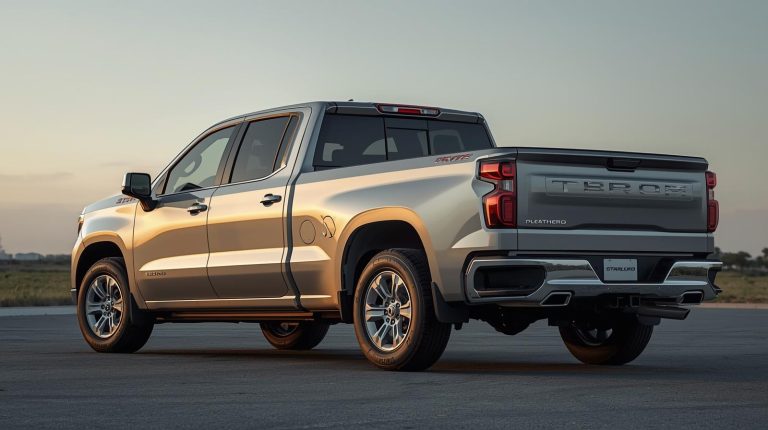
Because regular vans cannot handle that kind of load movement of hundred of miles. Therefore, vehicles like semi-truck rigs, dry vans, flatbed trucks, and other freight carriers are used. The process comprises various administrative tasks, including loading and unloading cargo, tracking stock, and ensuring safe delivery of finished goods spanning states, countries, and even continents.
Key Advantages That Make Long-Haul Transportation Essential
Diverse container loads benefit significantly from this transport method, proving less expensive than air or rail alternatives while remaining faster and more reliable for handling shipments. The reduced risk of damage or loss comes from experienced companies dealing with various types of cargo across extended routes.
Door-to-door service offers convenient solutions for customers, eliminates storage facilities requirements, and ensures accurate delivery schedule management. For industry professionals, financial security presents a stable career option where drivers get paid well with bonuses on a regular basis. The trucking industry maintains a low barrier to entry while offering unlimited growth opportunities.
Flexibility allows professionals to choose contracts that suit their needs, making traveling a paradise for those who love to explore new places. Additional perks include competitive salary packages, benefits like health and dental insurance, paid vacations, and performance bonuses. Businesses experience faster delivery times, reduced costs, reliable service, and greater opportunities to scale operations, resulting in enhanced customer experience and healthier profit margins.
Common Obstacles And Industry Challenges
The fuel cost, maintenance cost, and insurance premiums are part of the operational costs that keep increasing, leading to a higher cost of operation, which impacts profitability. The problem of driver shortages causes a major deficiency of qualified long haul truck ddrivers and results in higher costs of recruitment and an inability to obtain delivery times.
Optimization of route involves how routes are planned to reduce consumption, time, and costs, and the delivery of the goods on time, an ever-challenged task in the presence of unpredictable weather and traffic conditions. Technological integration requires the deployment and maintenance of new technologies such as telematics and fleet management systems, which are expensive and need continuous employee training.
The lack of physical exercise during driving, as well as the limited availability of healthy foods and abnormal sleep habits, are some of the physical health issues that put drivers at risk due to poor physical health. Stress and exhaustion caused by long working hours behind the wheel, strict delivery timetables, and traffic-related situations may cause accidents.
Driving during bad weather, risk of theft or hijacking, and cargo security are some of the safety issues. Compliance pressure keeps the drivers continually in contact to follow the HOS rules and company policies, in a tradeoff between the necessity to meet the legal requirements. Industry statistics indicate the shortage of 78000 drivers by 2022 based on the ATA, and the demographic of the current professionals is aging, and commercial licensing policies and working hours are contributing to the crisis.
The pandemic left behind sustained supply chain challenges that led to delays in production lead times, commodity price hikes, and unreliable trading relations that plague the transportation sector on day in day out. In addition, rising fuel prices are also a huge challenge that is pushing companies to increase prices, which in turn compels the store owners to push the costs to the consumers to maintain profit margins.
Distinguishing Between Line-Haul And Long-Haul Operations
Two main types of transportation exist: long-haul and line-haul services. Long-haul transportation is used for transporting goods over long distances, while line-haul focuses on shorter journeys. The primary difference lies in distance, time, and cost factors. Long-haul transport involves transporting goods across extended routes, takes longer to complete, and appears more expensive initially. However, when considering like-for-like distance traveled versus cost analysis, long-haul transportation becomes invariably cheaper per mile.
Essential Vehicle Types For Heavy-Duty Long Hauling
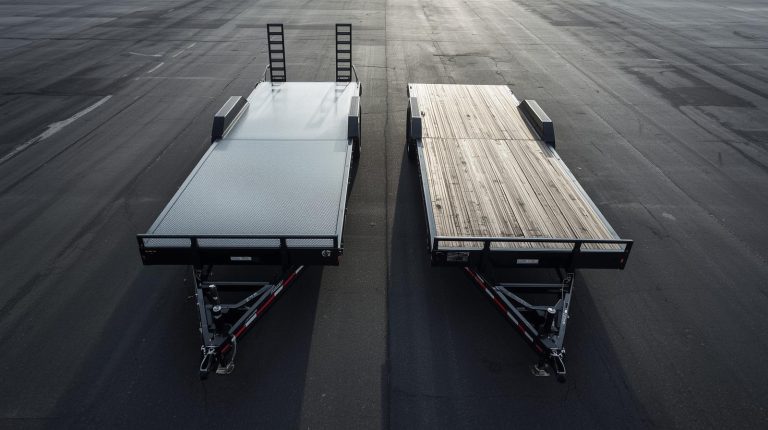
Flatbed trucks are designed for transporting big and heavy cargo that remains unaffected by rough roads or bad weather conditions. These trucks feature an open bed without a roof or walls, which eases the process of loading and unloading operations. Refrigerator trucks serve perishable goods transport needs through temperature-controlled cabin systems that ensure freshness during the shipment process. Vented vans handle dry and non-perishable cargo efficiently, equipped with specialized vents that maintain safety standards throughout transport.
Daily Operations And Professional Requirements
Every day brings a new adventure in this field, where successful working depends on many things, including safely loading and unloading cargo, choosing suitable truck types for delivering goods, and maintaining the ability to travel for long periods of time on various roads.
Professional success requires being comfortable sleeping inside the truck cabin, being a good long haul truckers who can navigate any type of road, and delivering cargo safely to the destination. Adapting to changing weather conditions, maintaining hygienic conditions inside vehicles, and being ready to face new challenges daily are essential skills.
Bottom Line
Still wondering what is a long-haul transportation? It is simply transferring loads long distances, covering cities, states, and sometimes countries. It is important in any trucking industry; however, it comes with a lot of challenges. However, many companies are finding the greatest ways to sort these problems and have the potential to grow. Are you also a truck driver looking for suitable loads? Get in touch with the best dispatching services. We provide appropriate load for the truck as well as assist you with other relevant services such as billing assistance, rate negotiation, factoring services, and more. So, don’t wait to cover long empty miles. Contact us today!