
If you spend a lot of time on highways, you already know what it’s like to drive near big trucks and commercial vehicles like trailers or flatbeds. A normal car weighs around 1800kg, but a semi-trailer can reach up to 44 tons, which means a crash can easily put smaller vehicles in danger.
According to recent data, around 152,000 truck accidents happened in the United States in 2024. Many of these crashes could have been prevented with better driving habits. So, what separates safe drivers from risky ones? The answer lies in mastering a few key techniques.
Big trucks require different skills than regular vehicles. They need more space to turn, longer distances to stop, speed conditions, careful attention to blind spots, and more. Below are key tips that everybody should know about large trucks and the challenges they are facing on the road.
Top 5 Essential Tips For Driving Big Trucks
1. Master Your Turning Technique
Big trucks need extra room to turn. Your trailer follows a different path from your cab. This means you must swing wide to avoid hitting curbs or other vehicles. Always signal early to warn other drivers. Take your time and never rush through a turn. The bigger the truck, the wider you need to go.
2. Keep A Safe Following Distance
Your truck weighs up to 80,000 pounds when fully loaded. Research shows a loaded truck needs about 600 feet to stop at 65 mph. That’s twice the length of a football field! Cars can stop much faster than you can. Keep at least four to six seconds between you and the vehicle ahead. In bad weather, add even more space.
3. Check Your Blind Spots Constantly
Every truck has four major blind spots. These “no-zones” are directly in front, behind, and on both sides. Other drivers disappear in these areas. Check your mirrors every 8-10 seconds. If you can’t see a car’s headlights in your mirror, they’re too close. Always scan ahead about 15 seconds down the road.
4. Adjust Speed For Conditions
Speed limits are for perfect weather only. Slow down when roads are wet, icy, or foggy. Your truck handles differently when empty versus loaded. Empty trucks can actually be harder to control in bad weather. On curves and ramps, go slower than you think necessary. Big trucks have a high center of gravity and can tip over.
5. Combat Driver Fatigue Effectively
Tired driving is dangerous driving. Take breaks every two hours on long hauls. Get out and stretch your legs. According to the Federal Motor Carrier Safety Administration, distracted or drowsy driving contributes to thousands of accidents yearly. Never drive more than 11 hours without rest. Your brain needs breaks just like your body does.
Pre-Trip Inspections Save Lives
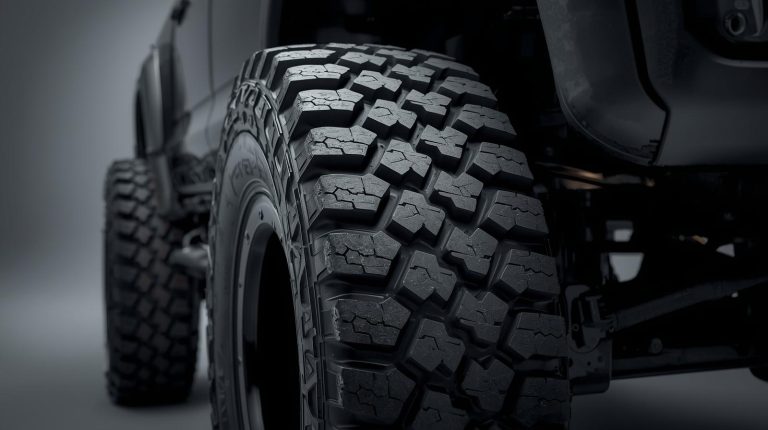
Before you hit the road, walk around your truck. Check tires for proper inflation and tread depth. Test your brakes and lights. Look for loose cargo or damaged straps. A thorough inspection takes 15 minutes but prevents hours of problems.
Many accidents happen because of equipment failure. Worn brakes can’t stop a heavy load in time. Bad tires blow out at highway speeds. Make inspections part of your daily routine. If you need professional truck dispatch services to keep your schedule organized, Rock & Roll can help you manage your routes efficiently.
About The Weather Challenges And How To Handle Them
Weather creates additional risks for big trucks. In winter, ice and snow make roads slippery. Your stopping distance doubles or triples. Use chains when required. Slow down on bridges; they freeze first. In summer, heat causes tire blowouts and brake fade. Check tire pressure more often when it’s hot.
Heavy rain reduces visibility and creates hydroplaning risks. Turn on the headlights and slow down significantly. Wind is especially dangerous for empty trailers. Strong gusts can push your truck sideways. Grip the wheel firmly and be ready to correct your path.
Why Professional Dispatch Services Matter
Managing routes and paperwork takes time away from safe driving. That’s where Rock & Roll comes in. We specialize in truck dispatch services for owner-operators and small trucking companies. Our team handles load booking, rate negotiation, and all required paperwork.
With 24/7 support available, you can focus on what matters most: driving safely. Our dispatchers find the best-paying freight loads while you concentrate on the road. We also offer IFTA compliance services to keep your tax reporting simple and accurate.
We understand trucking isn’t easy. Long hours, tight deadlines, and challenging conditions are part of the job. Our goal is to remove the stress of logistics so you can drive with confidence.
Final Thoughts
Driving big trucks safely requires skill, patience, and constant awareness. These five tips, mastering turns, maintaining distance, checking blind spots, adjusting speed, and combating fatigue, form the foundation of safe trucking. Combined with thorough inspections and smart weather decisions, they will help you avoid accidents.
Remember, every trip starts with preparation. Stay focused, stay rested, and stay professional. Your safety and the safety of others depend on it.