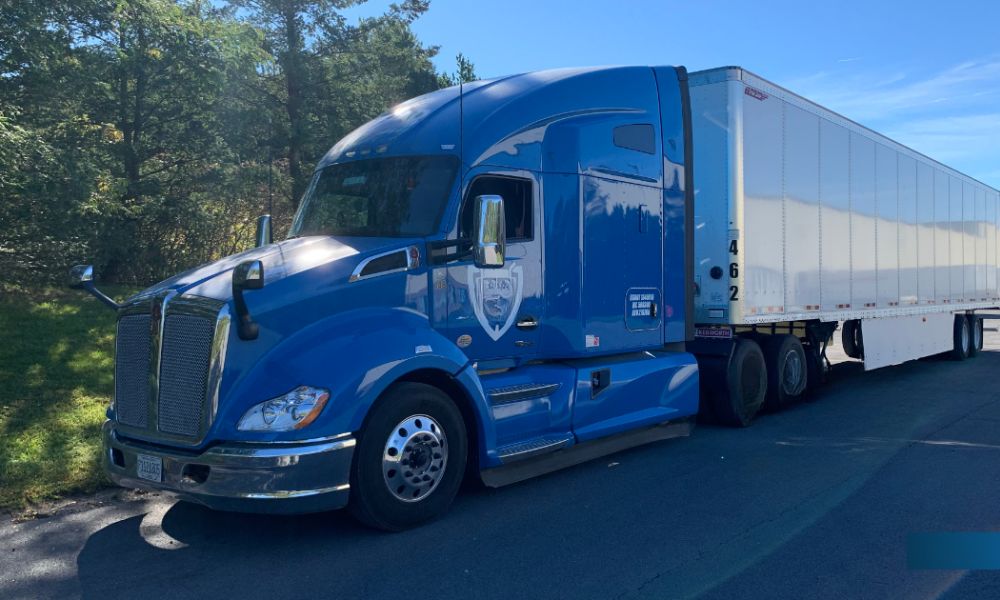
The trucking world has its own language. Understanding trucking terminology is essential for success. New drivers often feel lost when hearing terms like “deadhead” or “bobtail.” But mastering this language makes a huge difference. It helps you communicate better. It makes negotiations smoother. It even helps you avoid costly mistakes.
Essential Trucking Terms A-Z
| Letter | Term | Definition |
| A | Accessorials | Extra fees beyond basic transport like detention or lumper fees |
| APU | Auxiliary Power Unit that reduces engine idle time | |
| Authority | Legal permission from FMCSA to operate commercially | |
| Axle Weight | Maximum weight permitted on a single axle | |
| B | Backhaul | Return trip carrying freight back to the origin area |
| Bill of Lading | Legal document detailing shipment between the carrier and the shipper | |
| Bobtail | Driving a tractor without a trailer attached | |
| Broker | Middleman connecting shippers with carriers | |
| C | Cab Card | Registration proof kept in truck cab at all times |
| CDL | Commercial Driver’s License required for trucks over 26,000 pounds | |
| Consignee | Person or company receiving the shipment | |
| Chassis | Frame supporting truck’s engine and cargo areas | |
| D | Deadhead | Driving without cargo between locations |
| Detention | Fee for excess waiting time at pickup or delivery | |
| DOT Number | Department of Transportation identification for carriers | |
| Drop and Hook | Dropping one trailer and picking up another | |
| Dry Van | Standard 53-foot enclosed trailer for general freight | |
| E | ELD | Electronic Logging Device tracking driver hours automatically |
| Endorsements | CDL add-ons for special vehicles or cargo types | |
| Expedited | Time-sensitive freight requiring fast delivery | |
| F | Factoring | Selling invoices to get paid within 24 hours |
| Fifth Wheel | Coupling device connecting tractor to trailer | |
| Flatbed | Open trailer without sides or roof | |
| FMCSA | Federal Motor Carrier Safety Administration | |
| Fuel Surcharge | Extra charge covering fluctuating fuel costs | |
| G | Glad Hand | Air line coupler connecting tractor to trailer |
| Gooseneck | Trailer with protruding neck for fifth wheel connection | |
| Gross Vehicle Weight | Maximum weight including vehicle, cargo, and fuel | |
| H | Hazmat | Hazardous materials requiring a special CDL endorsement |
| Hours of Service | Federal rules limiting driver work and drive time | |
| Hot Shot | Small urgent loads requiring quick delivery | |
| I | IFTA | International Fuel Tax Agreement simplifying fuel tax reporting |
| Intermodal | Freight moving via multiple transportation modes | |
| J | Jackknife | Dangerous folding of tractor and trailer at connection point |
| Jake Brake | Engine compression brake slowing trucks without service brakes | |
| K | Kingpin | Steel pin under trailer connecting to fifth wheel |
| L | Landing Gear | Retractable legs supporting unattached trailer |
| Lane | Specific route between two geographic locations | |
| Less Than Truckload | Shipment not filling entire trailer space | |
| Lumper | Person hired to load or unload freight | |
| M | MC Number | Motor Carrier number authorizing interstate freight transport |
| Manifest | Document listing all cargo on vehicle | |
| N | NMFC | National Motor Freight Classification system for cargo types |
| O | Owner-Operator | Driver who owns and operates their own truck |
| Oversized Load | Freight exceeding standard legal size limits | |
| P | Payload | Weight of cargo being hauled |
| Power Only | Providing just tractor to haul someone else’s trailer | |
| Proof of Delivery | Signed document confirming freight delivery | |
| R | Rate Confirmation | Contract stating agreed freight rate and terms |
| Reefer | Refrigerated trailer for temperature-sensitive cargo | |
| S | Semi Truck | Tractor-trailer combination also called eighteen-wheeler |
| Sleeper Berth | Cab compartment where driver rests or sleeps | |
| T | Tandem | Two axles grouped together on truck or trailer |
| Tanker | Trailer for hauling liquids or gases | |
| TONU | Truck Ordered Not Used fee for canceled loads | |
| Tractor | Power unit pulling the trailer | |
| U | UCR | Unified Carrier Registration for interstate carriers |
| V | VIN | Vehicle Identification Number unique to each truck |
| W | Weigh Station | Official scale station for weighing commercial vehicles |
| Y | Yard Jockey | Driver moving trailers within terminal or warehouse yard |
| Z | Z-Guard | Type of cargo protection device (though less common) |
| Zero Hour | Starting time for a delivery schedule | |
| Zone | Geographic area used for determining shipping rates or fuel taxes | |
| Zone Skipping | Logistics strategy of bypassing distribution zones to reduce shipping time | |
| Zone Rate | Pricing structure based on geographic zones | |
| Z-Guard | Type of cargo protection device (though less common) |
Understanding Your Equipment
- Dry Van: This is the most common trailer you’ll see. It’s a 53-foot enclosed box. Perfect for protecting freight from the weather. Most freight moves in these.
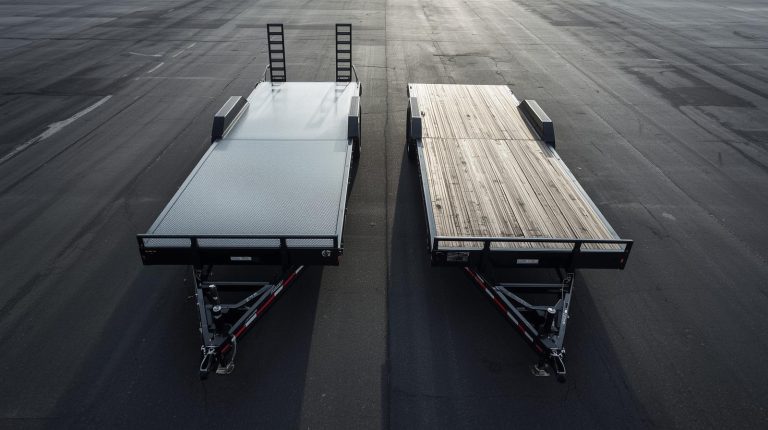
- Flatbed: An open trailer without sides or a roof. Great for oversized cargo. Loading is easier because you can access it from all sides.
- Reefer: Short for refrigerated Rental Trailer. These maintain specific temperatures. Essential for food and medical supplies. They cost more but pay better rates.
- Box Truck: Also called cube vans. Smaller than semis. Great for local deliveries. The cabin and cargo area are one unit.
- Tanker: Designed for liquids and gases. Requires special endorsements. Fuel, chemicals, and milk all travel this way.
Bottom Line
Armed with this glossary, you will be better equipped to navigate the trucking industry. Hopefully, this knowledge can make your day-to-day tasks smoother and your business communications more effective.
Understanding trucking terminology is just the beginning. Success requires putting knowledge into action. Have more questions about getting started or growing your business? Get in touch with the best truck dispatching service. Happy trucking!