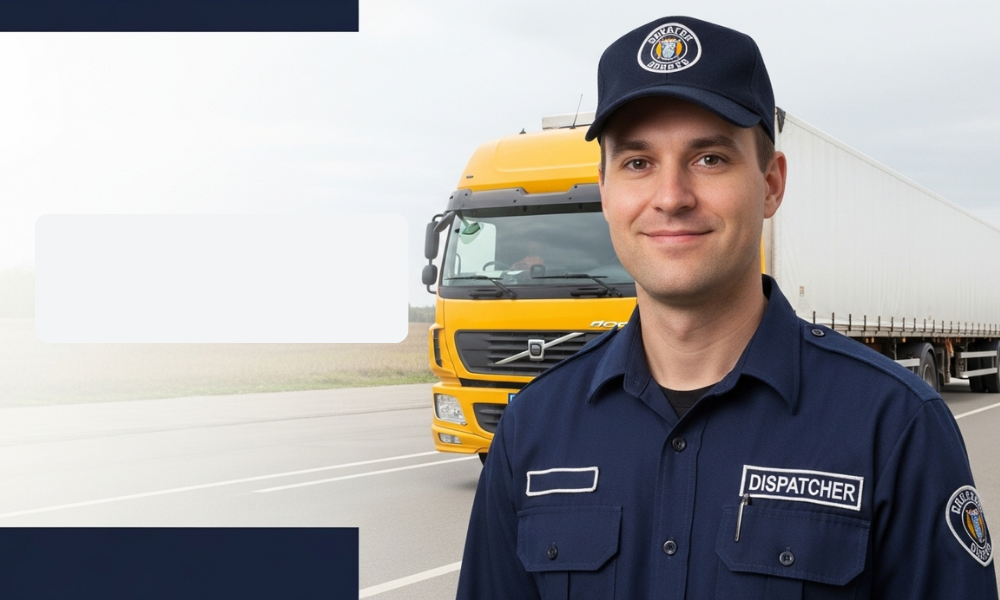
Ever wondered who keeps trucks moving across America? A truck dispatcher is the backbone of logistics operations. They connect drivers with loads and manage deliveries every single day.
What does a truck dispatcher do? They coordinate freight transportation by finding loads, planning routes, and handling paperwork. These professionals keep drivers on schedule and ensure goods arrive on time.
According to the U.S. Department of Labor, there are over 3.5 million professional truck drivers in America. Behind many of these drivers is a skilled dispatcher working tirelessly. But what exactly do these professionals handle every single day?
Understanding the Truck Dispatcher Role
A truck dispatcher acts as the connection between shipping companies and truck drivers. They manage freight movement from start to finish.
Think of them as air traffic controllers for the road. They assign loads to drivers based on truck type and location. Rock & Roll Dispatch provides dispatch services that eliminate the stress of load hunting.
Dispatchers work differently from freight brokers. Brokers connect shippers with carriers and take commissions. Dispatchers work directly for trucking companies or owner-operators.
Core Responsibilities of Truck Dispatchers
Truck dispatchers wear many hats throughout their workday. Let’s explore the key tasks that keep freight moving across the country.
Finding and Booking Freight Loads
Dispatchers search load boards daily to find profitable freight. They negotiate rates with brokers and shippers. A good dispatcher can increase earnings by securing better-paying loads.
If a broker lists a load at $2.50 per mile, a savvy dispatcher might negotiate up to $2.70 per mile. This extra money adds up quickly for drivers.
Planning Efficient Routes
Route planning saves time and fuel costs. Dispatchers use GPS software and mapping tools. They consider traffic patterns, weather conditions, and road restrictions.
They also avoid low bridges and toll roads when possible. Smart route planning reduces empty miles and boosts profits.
Managing Communication
Dispatchers stay in constant contact with multiple people:
- Drivers on the road
- Shippers sending freight
- Receivers waiting for deliveries
- Brokers arranging loads
They relay updates about shipment status and delivery times. Quick communication solves problems before they become major issues.
Handling Paperwork and Compliance
The trucking industry has strict regulations. Dispatchers ensure drivers follow Hours of Service (HOS) rules. They manage permits for oversized or hazardous loads. Dispatchers need an understanding of hazardous materials regulations and temperature-controlled shipments. They keep accurate records of all trips and deliveries.
Solving Problems on the Road
Unexpected issues happen daily in trucking. Traffic delays, breakdowns, and weather emergencies require quick thinking.
If a truck has mechanical trouble 500 miles out, a dispatcher quickly arranges a repair or replacement truck. They find solutions to keep freight moving.
Essential Skills for Success
Success in dispatching requires more than just answering phones and sending trucks. Here are the critical abilities every top dispatcher must develop.
Communication and People Skills
Dispatchers talk with dozens of people daily. Clear communication prevents misunderstandings. They must be friendly but firm when negotiating rates.
Organization and Time Management
Managing multiple trucks requires excellent organization. Dispatchers juggle schedules, deadlines, and last-minute changes. Staying organized keeps operations running smoothly.
Technology Proficiency
Modern dispatching relies heavily on technology. Dispatchers use:
- Fleet management software
- GPS tracking systems
- Load board platforms
- Communication apps
Problem-Solving Abilities
Every day brings new challenges. Dispatchers must think quickly and find creative solutions. Adaptability helps them handle stress and pressure.
Technology and Tools Used
Modern dispatchers rely on advanced technology to coordinate complex logistics operations. These digital tools make the job faster and more accurate. Dispatchers work with specialized software daily. Truck routing software plans the most efficient paths. Fleet management systems track vehicle locations and maintenance.
Load boards like DAT connect dispatchers with available freight. Electronic logging devices (ELDs) ensure regulatory compliance. These tools make dispatching faster and more accurate.
How Rock & Roll Dispatch Supports Truck Drivers
Professional dispatch services can transform a driver’s business by handling the most time-consuming tasks. Rock & Roll Dispatch offers expert solutions for owner-operators and small fleets.
Rock & Roll Dispatch offers professional services for owner-operators and small fleets. Their team handles all aspects of dispatching so drivers can focus on the road.
Services Include:
- 24/7 load finding and booking
- Rate negotiation with brokers
- Complete paperwork management
- Real-time route optimization
- Box truck dispatch services for urban deliveries
- Dry van dispatching for standard freight
- Billing and invoicing support
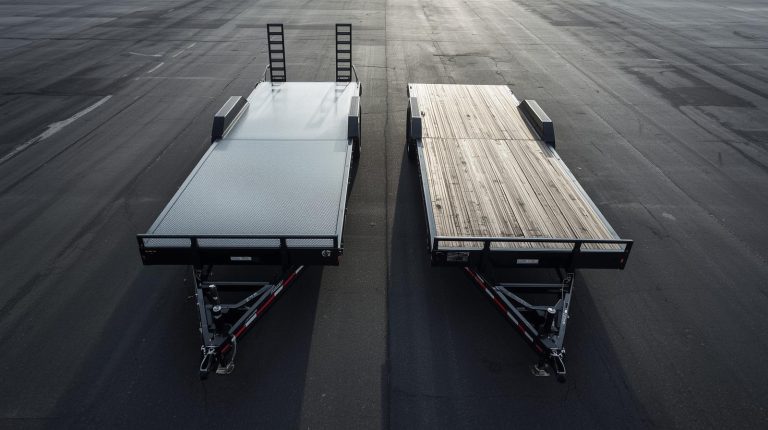
Rock & Roll customizes services based on truck type and driver preferences. Whether hauling reefer, flatbed, or specialized equipment, they find suitable loads. Their experienced dispatchers work as partners, not just service providers.
The company also offers additional support services:
- Insurance assistance
- Factoring services for quick payment
- ELD device installation and support
- Compliance documentation
Professional truck dispatch services help drivers maximize earnings while reducing stress. With years of logistics experience, Rock & Roll keeps trucks loaded and profitable.
Salary and Career Outlook
Understanding the earning potential helps you decide if dispatching is the right career path. Let’s look at what dispatchers typically earn nationwide.
The national average salary for truck dispatchers is $54,543 per year in the United States. Earnings vary by location, experience, and company size.
Dispatchers working for larger fleets typically earn more. Those with strong negotiation skills can advance to management positions. The growing e-commerce industry continues to increase demand for qualified dispatchers.
Starting Your Career as a Dispatcher
Breaking into the dispatching field doesn’t require expensive degrees or complicated certifications. Here are the most common ways people enter this rewarding profession. Most dispatcher positions require a high school diploma or GED. Some companies prefer candidates with logistics training or certifications.
Entry paths include:
- Starting as a driver to learn the industry
- Taking online dispatch training courses
- Working in customer service for trucking companies
- Completing an associate degree in logistics
Experience matters more than formal education. Many successful dispatchers started in other trucking roles first.
The Future of Truck Dispatching
The dispatching industry continues evolving with innovations and digital solutions emerging regularly. Understanding these trends helps dispatchers stay competitive and relevant.
Technology continues to change the dispatching landscape. Artificial intelligence helps predict traffic patterns. Automated systems streamline scheduling and paperwork.
However, human dispatchers remain essential. They provide personal relationships and problem-solving that technology cannot replace. The best dispatchers combine tech tools with industry knowledge.
Final Thoughts
Truck dispatchers keep America’s supply chain moving. They find loads, plan routes, and solve problems daily. Their work ensures products reach stores and homes on time.
Strong communication skills and organization make successful dispatchers. Technology knowledge helps, but experience matters most. The role offers stable employment and growth opportunities.Ready to experience professional dispatch services? Visit Rock & Roll Dispatch to learn how expert dispatchers can boost your trucking business earnings and reduce operational stress.