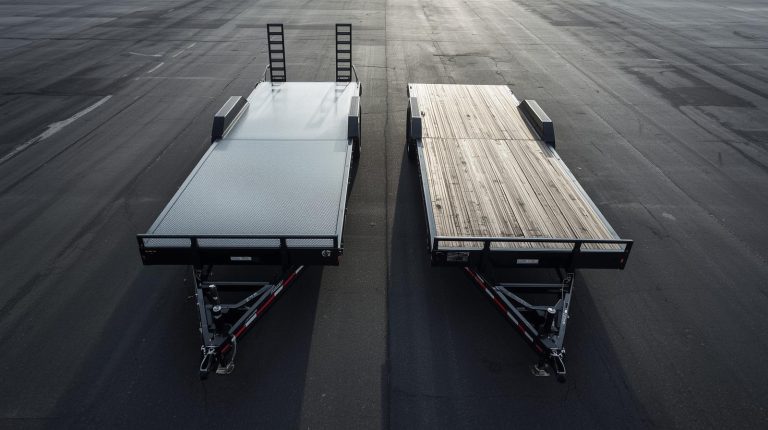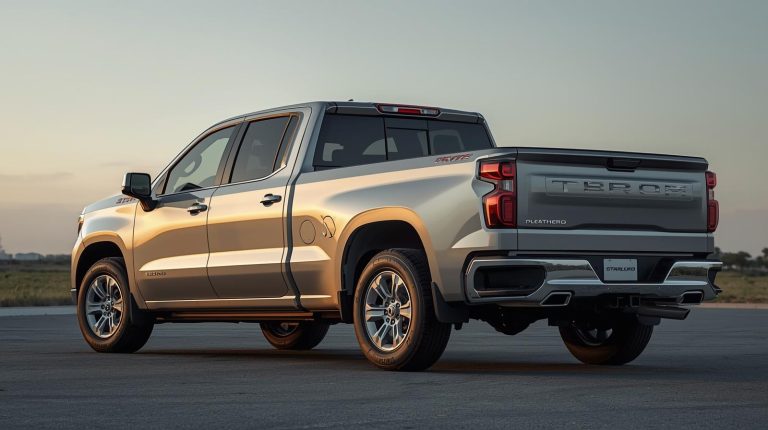
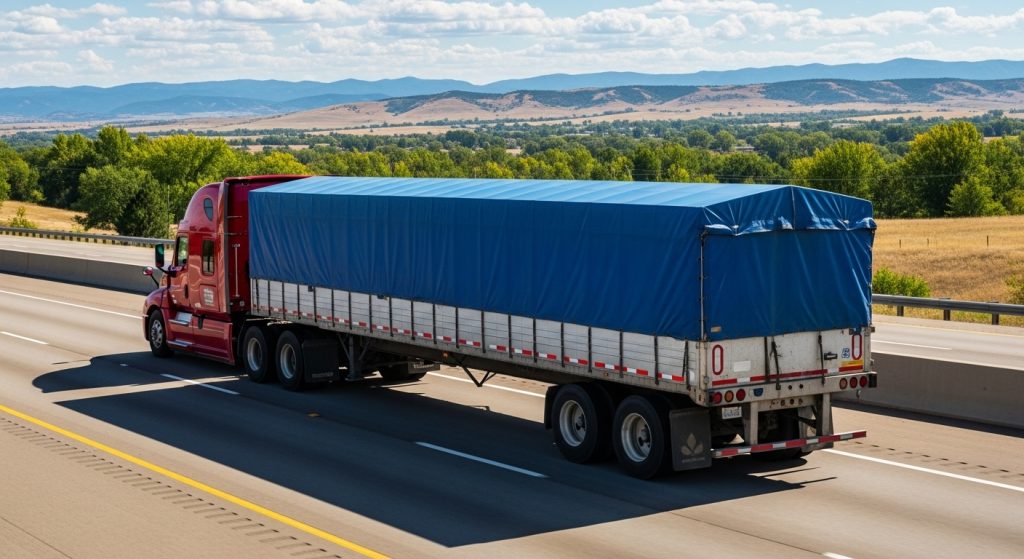
A valuable cargo worth thousands of dollars can get damaged during transit without proper protection. Rain seeps through open trailers while standard enclosed options slow down loading operations significantly.
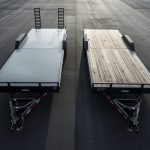
According to recent logistics data, Conestoga trailers account for nearly 25% of specialized freight movements across North America. What is a Conestoga? A conestoga trailer is a hybrid shipping solution that combines the accessibility of flatbeds with the weather protection of enclosed trailers.
It features retractable fabric coverings and a metal framework that protects cargo while allowing flexible side loading and unloading operations. These trailers solve a critical problem that logistics managers face daily: balancing protection, speed, and cost-effectiveness.
Here’s what keeps shipping professionals awake: when profit margins depend on safe, timely delivery, how do experienced operators choose between different trailer types?
Understanding Your Conestoga Trailer
Modern conestoga trailers evolved from historical wagons that carried goods across early America. Today’s versions combine steel frames with removable tarps or fabric covers that fold back, creating accessible loading areas.
The structural foundation includes reinforced steel with tie-down points distributed throughout the trailer’s length. These trailers differ significantly from standard enclosed options.
Unlike a fully enclosed box truck, they allow handlers to access the entire width of the trailer bed. This accessibility reduces loading time and labor costs substantially. The flexible design makes them ideal for operations needing both protection and efficiency in their daily logistics.
| Disadvantage | Severity | Impact |
| Maintenance Requirements | Moderate | Ongoing Costs |
| Space Constraints | Low | Occasional Issues |
| Weather Sealing Limits | Moderate | Heavy Rain Only |
| Training Needs | Low | Minimal Effort |
Key Advantages of Conestoga Trailers
The benefits of using a Conestoga begin with remarkable accessibility and efficiency. Loading operations that take hours with enclosed trailers finish quickly with open sides. This speed reduces labor costs and accelerates turnaround times at distribution centers significantly.
Weather protection represents another compelling advantage for sensitive shipments. The fabric covering shields cargo from rain, snow, and harmful UV rays effectively. Electronics, textiles, paper products, and food items benefit significantly from this protection level.
Cost-effectiveness becomes apparent when comparing expenses to fully enclosed Dry Van options. A Conestoga typically costs less while providing substantially better protection than open Box Truck trailers. Damage reduction improves customer satisfaction and protects business reputation meaningfully.
Comparing Trailer Solutions
Understanding how a Conestoga compares helps clarify operational decisions better. Enclosed box trucks provide complete protection but slower loading operations. Open flatbeds offer maximum accessibility but minimal weather protection.
Standard dry van trailers excel in protection but cost significantly more overall. Conestoga trailers occupy a practical middle ground for most operations effectively.
When evaluating a dispatch service needing flexibility across cargo types, Conestoga options provide distinct advantages. A mixed fleet, including Conestoga trailers, improves asset utilization and customer service capabilities substantially.
Making Your Decision
Selecting the right trailer requires matching cargo characteristics with transportation needs precisely. Conestoga trailers excel for shipments requiring weather protection and fast loading cycles. Perishables, electronics, and manufactured goods frequently find these trailers optimal for their needs.
Consider integrating Conestoga trailers if experiencing excessive weather damage or high labor costs. The hybrid nature solves multiple problems simultaneously at competitive price points.
Optimize your shipping operations with equipment matching your cargo’s actual needs. Contact Rock & Roll Transport to discuss trailer solutions tailored specifically to your shipment requirements.
Frequently Asked Questions
1. How long do Conestoga trailers last in service?
Most Conestoga trailers remain operational for 10 to 15 years with proper maintenance. The fabric covering typically requires replacement every 5 to 7 years, depending on usage.
2. Do Conestoga trailers handle severe weather conditions?
They perform well in moderate conditions but struggle during extreme storms. Extended heavy rainfall may cause some water penetration, requiring standard enclosed trailers.
3. Are maintenance costs higher than for flatbed trailers?
Maintenance falls between flatbeds and enclosed trailers, realistically. Covering inspection and repair expenses remains reasonable and predictable typically.
4. What cargo works best in Conestoga trailers?
Electronics, furniture, textiles, packaged food, and manufactured goods transport excellently. Avoid extremely moisture-sensitive items requiring strict climate control environments.
5. How does pricing compare to standard dry vans?
Conestoga trailers cost 15 to 25 percent less than comparable dry vans. They still provide substantial protection advantages over completely open trailers consistently.
6. Does operating Conestoga trailers require special training?
Basic familiarization with covering mechanisms helps ensure proper usage. Most operators adapt quickly without requiring extensive formal training programs.