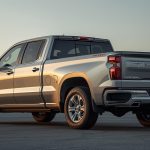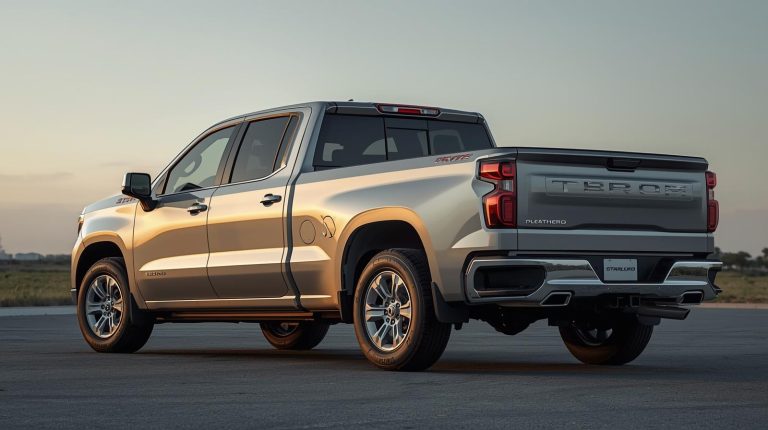
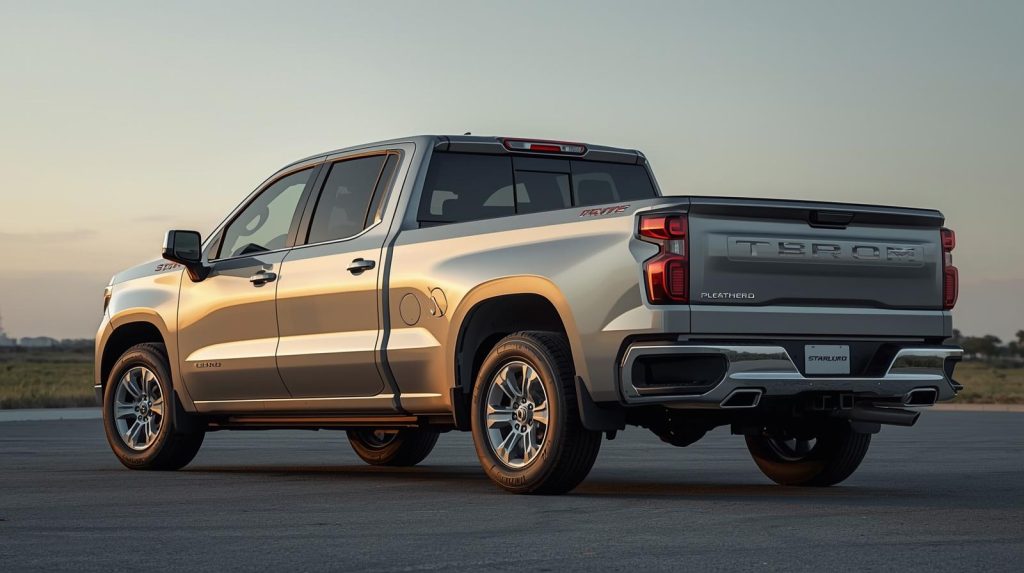
Pickups are normally categorized relative to their total weight, payload capacity and maximum towing capacities. Since the inception of the first American trucks, they have been defined by their payload capacity or what the truck can carry. A regular pickup truck usually weighs between 4,000 and 6,000 pounds (about 1,800-2,700 kg). On average, most trucks come in close to 3 tons, which is around 6,000 pounds.
That said, the exact weight depends on the model. Full-size, light-duty trucks, like the Ford F-150, often weigh anywhere from 4,000 to more than 5,500 pounds. Bigger and tougher versions, such as heavy-duty trucks, 4WD models, or crew cab pickups, can be much heavier, sometimes going beyond 7,000 to 8,500 pounds. Load categories were initially used to represent the cargo capacity.
Below is the detailed guide on how much pickup trucks weigh with the general rating for each classification.
About The pickup Trucks
Pickups are usually described in relation to their overall weight, payload capacity, and maximum towing capabilities. Ever since the first American trucks came to market, they’ve been characterized by their payload capacity, or how much the truck can carry. Tonnage designations were originally used to depict payload capacity.
What Is Curb Weight vs. GVWR?
The curb weight is the weight of the truck when all the fluids and standard equipment are present, but no passengers or cargo. GVWR (Gross Vehicle weight Rating) is the maximum safe weight of the truck as well as that of the truck itself plus passengers and cargo. Do not overload your truck, this influences the stability, safety and the life span.
How Heavy Is a Pickup Truck by Class?
Pickup trucks can be classified into three broad groups, half-ton, three-quarter- ton, and one-ton. Classes are distinguished by the range of weight and capability. The following is a brief list of the average weight of pickup trucks by all major classes and favorite models:
| Truck Model / Class | Curb Weight Range | Max Towing Capacity |
| Ford F-150 (Half-Ton) | 4,069 – 5,697 lbs | Up to 14,000 lbs |
| Chevy Silverado 1500 (Half-Ton) | 4,520 – 5,760 lbs | Up to 13,300 lbs |
| Ram 1500 (Half-Ton) | 4,800 – 6,400 lbs | Up to 12,750 lbs |
| Ford F-250 (Three-Quarter-Ton) | 5,677 – 7,538 lbs | Up to 20,000 lbs |
| Ram 2500 (Three-Quarter-Ton) | 5,765 – 7,385 lbs | Up to 19,680 lbs |
| Ford F-350 (One-Ton) | 6,015 – 8,500 lbs | Up to 37,000 lbs |
| Ford F-150 Lightning (Electric) | ~6,015 – 6,500 lbs | Up to 10,000 lbs |
What Affects a Pickup Truck’s Weight?
A number of factors affect the weight of a full-size pickup truck directly. One of the largest is cab style, and a regular cab is the lightest, whereas a crew cab will increase the weight of the vehicle by several hundred pounds because of the extra structure and interior space. The added transfer case and front differential parts of 4WD over 2WD are about 100200 lbs.
There is also the choice of engine. A V8 weighs more than a four-cylinder or V6 that has been turbocharged. Off-road and luxury trim packages, including skid plates, sound insulation, bigger wheels and technological enhancements could increase the extravagance of a base model by hundreds of pounds. The weight of a full 26-gallon fuel tank is nearly 200 lbs by itself.
Half-Ton vs. Heavy-Duty- Which Weighs More?
The most popular segment is the half-ton trucks, namely Ram 1500, F-150, and Silverado 1500 and they are between 4,400 and 6,000 pounds in weight. They are the most appropriate between daily use and towing. The 2500/3500 series are designed to be heavy and are used commercially, with a usual curb weight of over 7000-8500 lbs.
A half-ton is enough to most drivers, families, weekend haulers, and commuters. When you frequently have more than 15,000 lbs in tow or have heavy commercial-related components, a heavy-duty model would be more rational.
Matching Your Truck’s Weight With the Right Dispatch Support
No matter if you’re running a half-ton pickup for lighter loads or a heavy-duty truck built for serious hauling, the right dispatch support can make all the difference. That’s where Rock and Roll Dispatch steps in. As professional truck dispatchers, we help drivers and owner-operators turn their trucks’ capabilities into real profits. From finding the right loads for your truck’s weight class to freight rate negotiation, billing assistance, and freight factoring services, we handle the back-office work so you can stay focused on the road. No matter what you drive, pickup truck, box truck, dry van, reefer, a flatbed, or heavy-duty truck, we provide end-to-end support to keep you compliant, paid on time, and running smarter. In short, the right truck gets you moving, but the right dispatch team keeps your business growing.