Unsecured cargo leads to over 700 deaths and 17,000 injuries each year, according to the National Highway Traffic Safety Administration (NHTSA). That’s why proper flatbed load securement isn’t just about following rules; it’s about saving lives.
A crucial aspect of safety and regulatory compliance, load security entails the use of a variety of techniques, including chains, straps, and chocks, in order to prevent goods from shifting, tipping, or falling during transportation. In order to calculate the number of tie-downs needed for proper securement, the weight and length of the load must be evaluated. Additionally, the devices’ total working load limit must be at least 50% of the cargo’s weight.
But what happens when a single mistake on the open road costs everything? This guide is all about the load securement of flatbed and how you can keep your cargo and everyone around you safe.
Why Flatbed Load Securement Matters
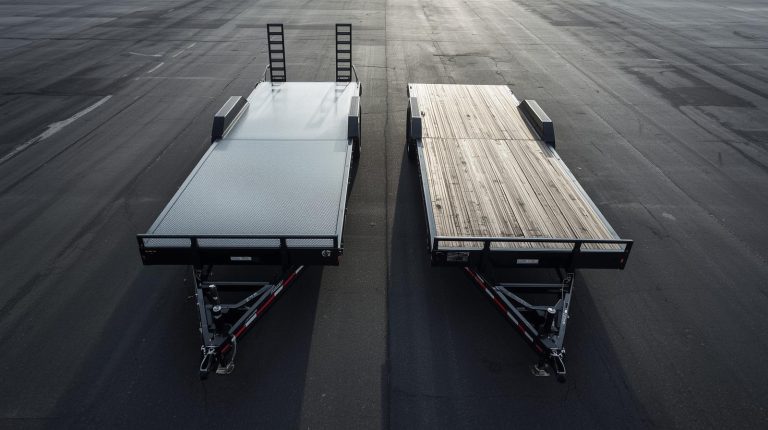
Flatbed trailers are different from regular trucks. They have no walls or roof to hold your cargo. This means the load depends entirely on how well you secure it. Without proper tie-downs, cargo can shift, fall, or cause rollovers.
The Federal Motor Carrier Safety Administration (FMCSA) sets strict rules. These rules tell you how many tie-downs to use and what weight limits matter. Breaking these rules leads to fines, delays, and dangerous accidents.
Understanding Working Load Limits
The Working Load Limit (WLL) is the max weight your tie-down can handle. Your securement devices must have a combined WLL of at least half your cargo’s weight.
Here’s an example: You’re hauling 10,000 pounds of machinery. Your tie-downs need a combined WLL of 5,000 pounds minimum. Always check the WLL marked on your straps or chains before loading.
DOT Regulations You Must Know
DOT regulations keep everyone safe on the road. Follow these key rules:
- Use at least four tie-downs for loads over 10 feet long
- Place one tie-down every 10 feet of cargo
- Even short cargo (under 5 feet) needs two tie-downs if it weighs over 1,100 pounds
- Inspect all equipment before every trip
Ignoring these rules can get your truck pulled off the road. It can also mean costly fines and insurance issues.
Choosing the Right Securement Equipment
Different loads need different tools. Let’s break down your options:
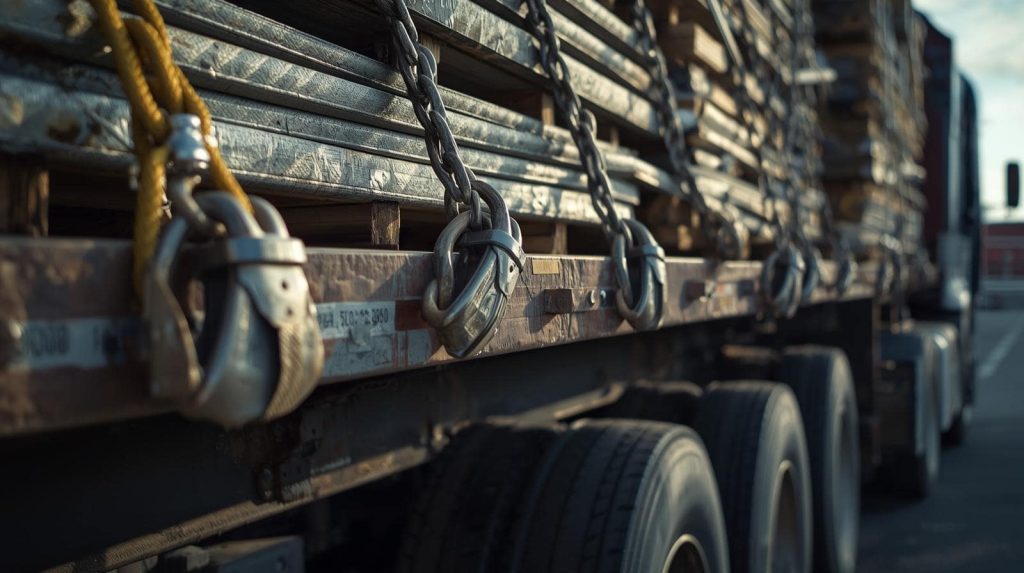
Chains work best for heavy, rigid loads like steel beams and large machinery. They offer unmatched strength. Always inspect chains for stretched links, cracks, or wear before using them.
Ratchet straps are ideal for lighter or flexible loads such as lumber and pipes. The standard 4-inch strap can support up to 5,500 pounds. Check for fraying or cuts before each use.
Binders add tension to your chains. Ratchet binders give you controlled tension and safer release. Lever binders are simpler but need careful handling when releasing under load.
Tarps protect cargo from weather and help maintain load integrity. Use lumber tarps for building materials, steel tarps for flat metal, and machinery tarps for irregular equipment.
Step-by-Step Load Securement Process
Securing your flatbed load properly takes planning and attention. Here’s what to do:
Before Loading: Conduct a pre-trip inspection of your trailer deck, tie-downs, and binders. Make sure the deck is clean and dry to prevent shifting.
During Loading: Place heavier items low and centered. Keep the center of gravity as low as possible. Use edge protectors where cargo has sharp corners that could damage straps.
Securing the Load: Apply tie-downs from multiple angles, front, back, and sides. This prevents movement in all directions. Make sure each tie-down is properly tensioned without over-tightening.
First Check-In: After driving about 50 miles, pull over safely. Re-tighten all tie-downs. Road vibrations often loosen even the best-secured loads in the first hour.
Special Cargo Securement Tips
Different types of cargo require specific approaches:
Machinery and Equipment Use chains and ratchet binders with at least four tie-downs. Secure each corner and watch for sharp edges that could damage your equipment.
Lumber and Building Materials These items shift easily due to their shape. Use lumber tarps and multiple tie-downs along the entire length. Consider friction mats under the load.
Pipes and Cylindrical Cargo Pipes can roll if not properly secured. Use wedges or cradles in addition to straps and chains. Ensure contact points between load and trailer are level.
Common Mistakes to Avoid
Even experienced drivers make securement errors. Watch out for these:
- Over-tightening: Too much tension damages both cargo and equipment
- Ignoring weight distribution: Uneven loads can cause jackknifing or tipping
- Assuming all cargo is the same: Every load type has unique needs
- Skipping re-checks: Always inspect tie-downs after the first 50 miles and every 150 miles or 3 hours
Why Professional Dispatch Services Help
Managing flatbed loads takes more than good securement skills. You need the right loads, proper permits, and DOT compliance. Professional dispatch services handle these details for you.
A dedicated dispatcher finds high-paying flatbed loads while you focus on driving. They manage paperwork, rate negotiation, and route planning. This lets you concentrate on what matters most, safe load securement and delivery.
Working with dispatch experts also means staying current with changing regulations. They track permit requirements for oversized loads and ensure you have the right documentation before you hit the road.
About Rock & Roll
Rock & Roll, which specializes in flatbed dispatch services for owner-operators across the USA, understands the challenges flatbed drivers face daily. From finding consistent loads to managing compliance paperwork, they handle the business side.
Their dispatchers work around the clock to keep your truck loaded. They negotiate top rates and provide dedicated support for every haul.
With services including rate negotiation, IFTA reporting, and DOT compliance support, they offer complete solutions for flatbed truckers. Their goal is simple: keep your wheels turning and your business profitable.
Staying Compliant and Safe
Ongoing training keeps you sharp on flatbed load securement techniques. The FMCSA offers free online resources. Many companies also provide internal training programs.
Using checklists helps ensure you never skip a step. Digital tools can track your inspection schedule and remind you when equipment needs replacement.
Safety in flatbed trucking starts with proper securement. Using the right tie-downs, following DOT regulations, and checking your load regularly protects everyone on the road. Make securement a priority on every single haul.
Remember: proper flatbed load securement saves lives, protects cargo, and keeps you in business. Never treat it as an afterthought. Your career and the safety of others depend on getting it right every time.