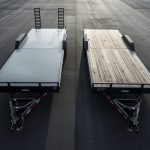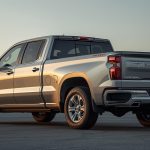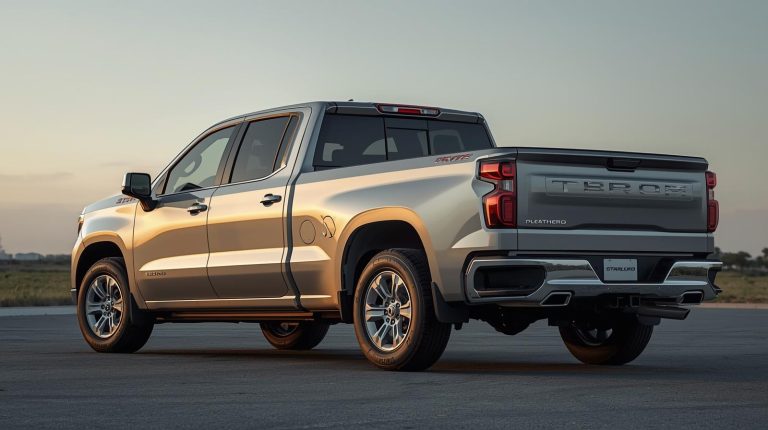

Ever been called a hotshot? Outside of the trucking industry, a hotshot is someone flashy, successful, or larger than life; but in the world of transportation, a hotshot is a smaller trailer hauled by a commercial pick-up truck. Hotshot trucking offers an accessible entry into the trucking industry with lower startup costs than traditional semi-truck operations. It is a fast, flexible way to haul urgent or LTL freight with smaller trucks, and it’s quickly gaining traction.
What Is Hot Shot Trucking? Simple Definition for Beginners
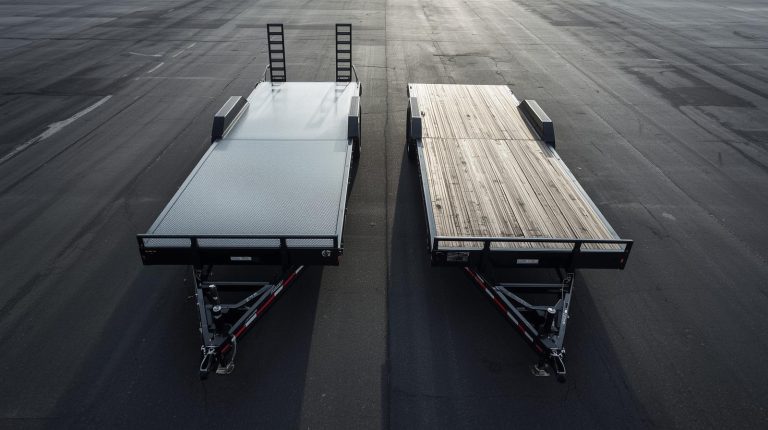
Using a flatbed hot shot trailer and a medium-duty pickup vehicle to transport smaller loads is known as “hot shot trucking.” Hot shot trucking often provides a quick and economical solution for shippers who would often use less-than-truckload (LTL) or partial-truckload (PTL) services to move their freight.
How To Start Hot Shot Trucking (Checklist)
Hotshot trucking is an owner-operator or small-fleet business concept that uses a pickup and trailer to move urgent cargo. You must first complete licensing and compliance, structure your business, ensure your operations, purchase the right trailer and equipment, and establish a repeatable process to find profitable loads and build a network of brokers and clients.
Step-by-Step Setup
- License & Medical: You must have a valid driver’s license and pass a DOT medical exam to obtain your medical card,
- Form Your Business: Choose a structure (often an LLC), register with your state, and get an EIN to open a business bank account
- USDOT & Authority: Obtain your USDOT number and the FMCSA operating authority (MC), if required for your operations.
- Insurance: You should have commercial truck insurance (primary liability, cargo; consider non-trucking and physical damage as appropriate).
- Equipment & Trailer: Select a truck and trailer with tarps, binders, chains, and tie-downs based on your use case (such as gooseneck or flatbed), weight class, and security needs.
- Compliance Basics: Maintain the necessary paperwork (medical card, proof of insurance, registrations) in the automobile; keep up with any necessary inspections and records.
- Find Loads: Establish load boards, broker lists, and direct-shipper outreach; specify your minimum rate-per-mile and target lanes.
- Build Your Network: Establish connections with trustworthy shippers and brokers; make on-time deliveries, communicate proactively, and maintain impeccable safety and compliance.
What Are the Benefits of Hot Shot Trucking? Pros for New Drivers
Speed and efficiency
By utilizing smaller vehicles that can navigate traffic more quickly, take direct routes, and increase fleet fuel economy, hotshot trucking outperforms conventional techniques. This means less fuel used on long trips or idle time and faster deliveries when time is of the essence.
Lower operating costs
Hotshot trucking reduces expenses by using smaller vehicles that require less maintenance and fuel. Hotshot drivers avoid the costs associated with big fleets and employees by working as independent contractors. This minimalist structure increases profitability, reduces overhead, and provides drivers more discretion to maximize income. Technology like vehicle monitoring systems also contributes to cost savings by monitoring performance, fuel consumption, and maintenance requirements.
Flexibility and convenience
Hotshot trucking offers drivers flexible schedules and route optimization that easily adapts to last-minute or urgent requests. This helps businesses get prompt, reliable deliveries when they need them most. Drivers benefit by working with diverse clients across industries, maximizing income potential and building long-term relationships that support business growth.
Greater Visibility
Hotshot trucking provides drivers with flexible timetables and route optimization that may readily accommodate urgent or last-minute requirements. This enables companies to receive dependable, timely supplies when they’re most needed. Working with a variety of clients in a range of industries, optimizing earning potential, and establishing enduring connections that foster company expansion are all advantageous to drivers.
What Are the Drawbacks of Hot Shot Trucking? Cons You Should Know
Limited Capacity
Hot shot trailers are limited to 40 feet in length and are only permitted to transport 16,500 pounds of cargo. Hot shots are just not an option for heavier loads,
Limited Supply of Hot Shot Truckers
Hotshot trucking is still a highly specialized business, even if it has undoubtedly grown in popularity and accessibility in recent years.
Lack of Air-Ride Suspension
The majority of conventionally sized trailers, which are 48 to 53 feet long and towed by class 7 and 8 semi-tractors, use air-ride suspension systems. However, air-ride suspension systems are not typically used in hot shot trailers.
Why Load Capacity Is Limited in Hot Shot Trucking
One major factor is the growing popularity of hotshot trucking among owner-operator truck drivers: owning a conventional (class 7-8) semi-tractor is not necessary. Additionally, a commercial driver’s license (CDL) is not required for hotshot truck drivers. Hotshot trucking is an exception to the Federal Highway Administration’s legal classification of medium-duty pickup trucks as non-commercial vehicles.
Drivers of Class 3–5 pickup trucks are permitted to transport hotshot loads if they fulfill a few crucial conditions. They need to have an active DOT identification number, appropriate operating authority, and valid liability insurance. Owners must also submit the appropriate company documentation and adhere to all federal Hours of Service (HOS) regulations to remain compliant.
Additionally, a CDL is needed when the aggregate weight of the loaded trailer and truck exceeds 26,000 pounds. Both the driver and the cargo stay within the law when these regulations are followed.
Start Your Journey In Hotshot Trucking
Hotshot trucking is an easy-to-start business with high demand in many fields such as construction, manufacturing, and online retail. As an owner-operator or small fleet owner, you can haul time-sensitive loads, meet fast deadlines, and still stay in full control of your business.