Are you a driver working in a company for many years? Maybe you are wondering how to get into the new business for yourself. What about becoming an owner-operator? It gives you freedom in your trucking career and the ability to oversee your own load matches. Although owner-operators play a crucial role in the transportation sector, it’s not always clear to the public what sets them apart from other truck drivers.
Now, how to become an owner-operator trucker? To become an owner-operator trucker, you need to get a Commercial Driver’s License (CDL), write a business plan, and establish your company by obtaining the necessary federal and state licenses, permits, and an MC number. But that’s just the beginning; there’s a lot more to consider along the way.
What Is An Owner-Operator?
There are several different types of owner-operators in a wide range of businesses; therefore, the phrase “owner-operator” isn’t limited to truckers. You will be the one managing the entire business and also taking care of the daily work that keeps your services running smoothly.
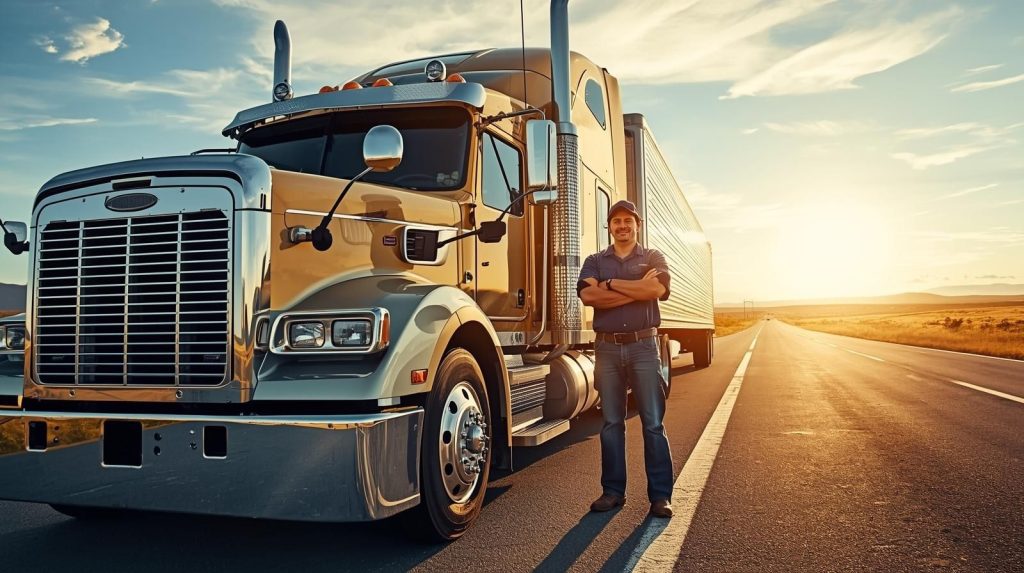
An owner-operator or a new authority in the trucking industry is a person who owns and runs their own business. The foundation of your job is still trucking, which involves moving cargo across the nation to maintain the supply chain. However, being an owner-operator may entail either operating your trucking company on your own or signing a contract or “hiring on” to a bigger carrier company.
Depending on your business model, you might choose to specialize in specific equipment types like box trucks for local freight or reefer trucks for temperature-sensitive cargo, each offering unique opportunities in the market.
How Much Do Owner-Operators Make?
A career as an owner-operator can be quite profitable; an individual’s earnings are primarily determined by their employer, level of expertise, and skill set. The average person earns between $50,000 and $150,000 annually. Revenue potential can reach $100,000 to over $200,000 annually, before expenses, depending on factors like freight type, routes, and business management skills.
How To Become An Owner-Operator Trucker?
Owner-operator regulations can be a bit complicated when you’re first establishing a trucking business. However, you will be completely on your way to building a solid foundation for your business once you’ve figured out all the registration, insurance, and financial needs.
First and foremost, a commercial driver’s license (CDL) is required. You will need to learn how to drive a truck for interstate transportation if you have never operated a commercial vehicle before. The most fundamental type of commercial driving registration is CDL certification, which can be obtained through a certified CDL training program offered by a larger trucking firm or at a CDL school.
Once your license has been issued, you will need to register. In order to become an owner-operator, you could additionally require insurance. Independent owner-operators must have their own insurance, while lease-on owner-operators can usually operate under the insurance of the carrier with which they have a contract.
Every kind of trucker insurance has a different purpose. Primary liability insurance, the most popular kind of insurance, provides coverage ranging from $700,000 to more than $1 million. For solid trucking insurance you can count on, check out Rock & Roll Dispatch; we offer per-load insurance that flexes based on the value of your loads.
The Responsibilities Of An Owner-Operator/ New Authority
Being an owner-operator means recognizing the operational and logistical difficulties of operating and maintaining a commercial vehicle in addition to the financial risk associated with buying or leasing the truck.
But driving is not the only thing an owner-operator does on a daily basis. They are in charge of:
• Managing all the day-to-day business tasks
• Keeping your finances in check, from expenses to earnings
• Making sure your truck is purchased, maintained, and road-ready
• Following industry rules, safety standards, and tax laws
• Building and maintaining strong relationships with your clients
• Staying updated with permits, licenses, and necessary paperwork
This includes maintaining proper DOT compliance and ensuring all your permits and documentation meet federal and state requirements.
Bottom Line
How to become an owner-operator trucker? Becoming an owner-operator trucker is a significant step that requires careful planning, dedication, and the right resources. While the journey involves obtaining your CDL, managing your own business operations, and handling the financial responsibilities of truck ownership, the rewards of independence and earning potential make it a worthwhile pursuit for experienced drivers ready to take control of their careers.
At Rock And Roll, we specialize in helping owner-operators maximize their earning potential through expert dispatch services, load rate negotiation, and 24/7 support, so you can focus on what you do best: driving and growing your business. We also provide factoring services to improve your cash flow and rate negotiation to keep your operations running smoothly and legally.