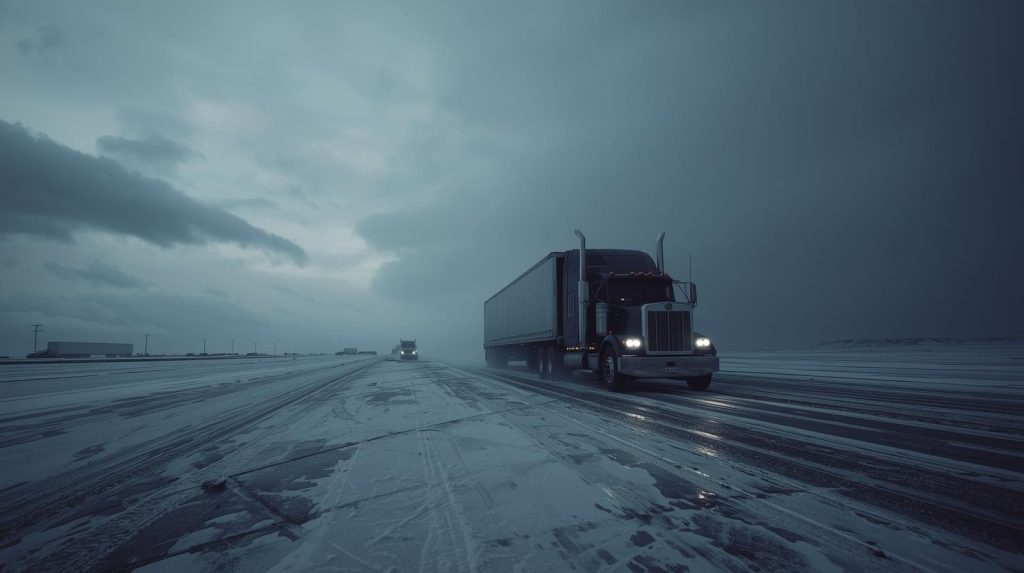
Ice road truckers haul heavy loads across frozen lakes every winter. The pay is exceptional because the danger is absolutely real. General long-haul trucking ranks in the top 25 most dangerous jobs. However, the death rate is approximately 29 deaths per 100,000 drivers.
That number is three times higher than the standard highway truck drivers face. But the full story behind each fatality is far more complicated. What really separates the drivers who survive a season from those who don’t?
What Makes Ice Roads So Dangerous
Ice roads are not paved highways with guardrails or nearby emergency lanes. They are temporary winter routes built directly on frozen lakes and rivers. Specialized crews build these routes completely fresh every single winter. A loaded truck moving on ice can weigh up to 100,000 pounds. A stationary rig can only safely hold around 60,000 pounds before cracking. Stopping at the wrong moment can mean breaking through instantly.
Breaking Down the Ice Road Trucker Death Rate
Motor vehicle crashes cause roughly 60% of all ice road trucker fatalities. Rollovers alone make ice road truckers five times more likely to die. Driver fatigue contributes to about 25% of deaths every single season. Equipment failure accounts for another 20% of fatal incidents on frozen routes. Staying current with DOT Compliance significantly reduces the mechanical failures that cause fatal accidents.
Ice Road Fatality Stats at a Glance
| Factor | Data |
| Estimated fatality rate | 16 per 100,000 drivers |
| Risk vs. regular truck drivers | 3x higher |
| Leading cause of death | Motor vehicle crashes at 60% |
| Driver fatigue contribution | 25% of all fatalities |
| Equipment failure contribution | 20% of all fatalities |
| Rollover risk vs. regular truckers | 5x higher |
| Estimated deaths in Northern Canada | ~50 over 40 years |
| Equipment losses vs. human losses | Nearly 3x higher |
When the Season Becomes Most Deadly
The spring thaw creates the most dangerous window of the entire season. Ice thickness becomes inconsistent and wildly unpredictable during March. Drivers pushing final loads before route closure take the biggest risks.
Those running longer hauls face a 20% higher fatal accident risk overall. Financial pressure to complete loads pushes drivers past safe limits too often.
Equipment Decisions That Quietly Affect Survival
Older vehicles carry a statistically higher fatal accident risk on ice roads. Extreme cold accelerates mechanical wear far faster than normal highway driving does. Diesel fuel gels, hydraulic lines freeze, and brake systems fail without warning.
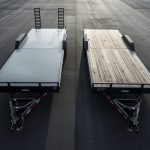
Carriers who invest in properly maintained equipment make measurably smarter safety choices. Exploring a Rental Trailer ensures every load moves in road-worthy, reliable equipment.
Managing the Off-Season Without Falling Behind
The ice road season lasts only roughly 10 to 12 weeks each year. Irregular income and self-employment taxes catch many ice road truckers completely off guard. Organized bookkeeping through Truckers Accounting protects every dollar earned during brutal winter months.
5 Safety Habits That Keep Ice Road Truckers Alive
- Never stop a fully loaded truck on open ice unexpectedly.
- Always maintain a consistent speed to prevent dangerous pressure buildup beneath.
- Check ice thickness reports thoroughly before starting every single run.
- Stay connected via satellite communication throughout long remote routes.
- Complete full vehicle winterization before the season officially begins each year.
Why Planning and Dispatch Services Matter on Ice Roads
Ice road trucking leaves no room for poor planning or rushed decisions. The drivers who make it through each season safely are the ones who prepare early, choose the right equipment, go with insurance, manage fatigue, and avoid unnecessary pressure when conditions turn risky. A reliable dispatch service behind the scenes, handling load planning, scheduling, and paperwork, allows drivers to stay focused on safety instead of scrambling under stress. When every mile can mean the difference between making it home or not, smart decisions off the road matter just as much as skill behind the wheel.