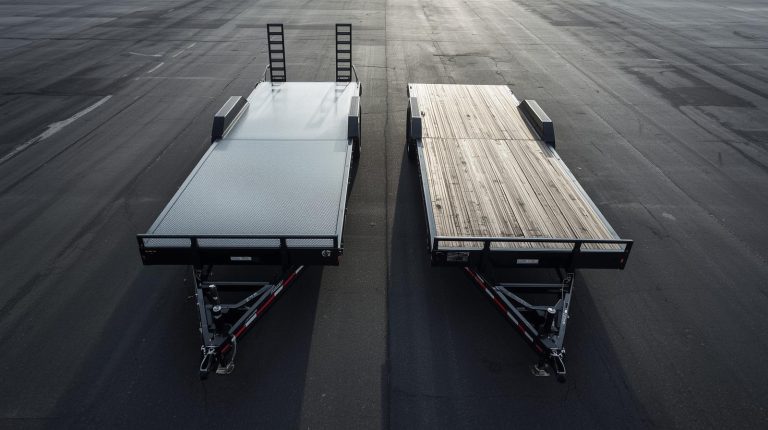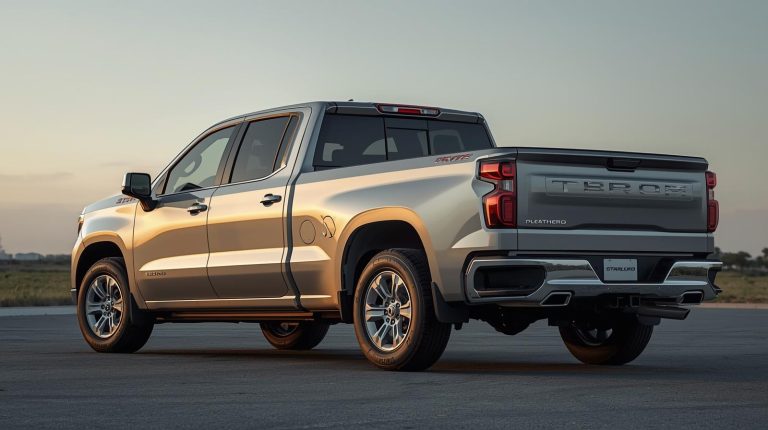

If you are interested in the transportation industry, you may have seen so many semis with a stepdeck or flatbed. But why always these two? These two vehicles is known to be the best combination when utilizing them for transporting hige items and is considered versatile.
Almost every trucking company get benefits from these vehicles, but what is the best if looking for step deck vs flatbed? Because height capabilities mainly differentiate both of them, what about the exact measurement of both? Knowing the exact difference can save your money, time, and purchasing process. So, let us examine both in detail.
Understanding Step Deck Trailer Design
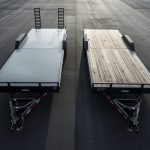
A step deck trailer is a specialized commercial trailer designed to carry tall cargo exceeding the legal height limit of traditional flatbed trailers. Transporting oversized loads on step deck equipment prevents drivers from obtaining costly special permits. These designs feature two decks – an upper deck and lower deck – with the distinctive step configuration improving loading and unloading operations.
The lower height allows forklifts to access cargo easily since loads sit closer to the ground. Available options include fixed-neck, gooseneck, and removable gooseneck (RGN) configurations serving different freight and loading/unloading needs. Fixed-neck trailers offer limited options, while RGNs provide flexibility to load from front or back. Standard dimensions feature a lower deck height of 3 feet 6 inches, with many units including ramp capabilities for easier equipment handling.
Cargo Applications and Capacity
Heavy machinery and freight that’s higher than standard dimensions represent the primary step deck market. The average load capacity reaches approximately 46,000 pounds, making these open trailers ideal for hauling substantial heavy loads. Common applications include excavators, tractors, building materials, agricultural materials, and industrial machinery.
These cargo types often exceed standard dimensions, challenging maximum allowable height restrictions, especially concerning bridge clearance. Step deck trailers handle loads up to 10 feet 2 inches in height, perfect for taller items that don’t fit standard flatbed trailers. The step design provides necessary room for large freights that would fail to clear low bridges.
Each state maintains different laws regarding cargo size, with maximum height typically reaching 13 feet 6 inches to 14 feet with permits. This regulation ensures driver safety and adequate clearance for bridges. The larger size capacity makes step deck units ideal for construction and agricultural applications.
About Flatbed Trailer Capabilities
Flatbed trailers excel at hauling large loads with high freight weight through their large surface area, though they encounter limitations with taller loads. These essential trailer designs feature no sides or roof, ideal for standard size loads requiring easy access. Trucking company operations use flatbed truck combinations for wide or large items requiring forklift handling.
Most units measure 48 feet to 53 feet in length, with maximum weight restrictions of 48,000 pounds. Standard dimensions limit cargo to 8 feet 6 inches – exceeding these creates wide load situations requiring escort vehicle support during transport.
Flatbed cargo includes raw materials, construction materials, agricultural equipment, scrap metal, heating and cooling units, construction supplies, lumber, formed concrete, and vehicles. When carrying heavier freight, units offer additional axles to meet federal weight guidelines. Trailers use aluminum, steel, and composite materials, with additions like curtain-sided walls and extendable decks. The standard deck height of 5 feet allows loads to 8 feet 6 inches tall but creates limited loading and unloading capabilities for taller cargo.
Step Deck Vs Flatbed- Critical Comparison Analysis
The key difference centers on step deck dimensions rather than fundamental design. Both share identical length and width specifications, but differ in height capacity. The lowered deck design enables larger cargo transportation while maintaining the same weight limit.
When equipment exceeds maximum dimensions for flatbed applications, step deck trucking transportation becomes necessary. These versatile units function like flatbed designs except for slightly lower deck configuration accommodating taller load requirements. Step deck trailers provide 20 inches additional clearance, enabling loads to 10 feet 2 inches on standard step deck trailer configurations.
For extreme applications, double-drop flatbed options accommodate 11 feet 2 inches height. The main difference between flatbed and step deck trucking transportation focuses on maximum allowed height. Step deck units transport taller cargo because lowered deck design reduces height restrictions under bridges or through tunnels, making them a preferred choice for construction equipment and tall machinery.
About The Technical Specifications
Understanding legal dimensions helps operators decide effectively. Flatbed trailers sit 5 feet above ground, limiting freight to 8 feet 6 inches height. Step deck configurations feature 11-foot-long upper deck and 37-foot-long lower deck, meeting legal max length of 48 feet. However, step deck trailers weigh more than flatbed alternatives, requiring careful freight weight consideration to avoid exceeding 80,000-pound limit.
Double drop deck trailers feature the lowest deck at 22 inches, enabling freight height to 11 feet 8 inches. These units include flip axle systems that lay on the deck when unused or flip down for extra weight. Federal regulations require trailers to maintain specific axle counts dependent on freight weight, helping drivers and operators haul heavy freight without extra permits.
Both same length and same weight limit apply, but step deck units move taller cargo while avoiding escort vehicle or special permits. Traditional flatbed trailer designs suit shorter loads, while cargo exceeding 8 feet 6 inches benefits from step deck capabilities.
Bottom Line
Step deck vs flatbed, which one should consider? If you are looking for some extra versatility because of large haul transportation, consider step deck trailer. On the other hand, if you have cargo that fit with standard height limit, go with the flatbed. Want suitable load for your truck without compromising on prices? Reach out to the best dispatching service. We, at Rock And Roll, not only provide the appropriate load but also assist you in accounting management, factoring services, rate negotiation, and more. Contact us today because your truck is not make to run empty.