Around 72.6% of everything that moves across America does so on the back of a freight truck. That coffee maker at Target, the lumber at Home Depot, even the phone reading this article right now probably rolled through multiple truck stops before landing in human hands.
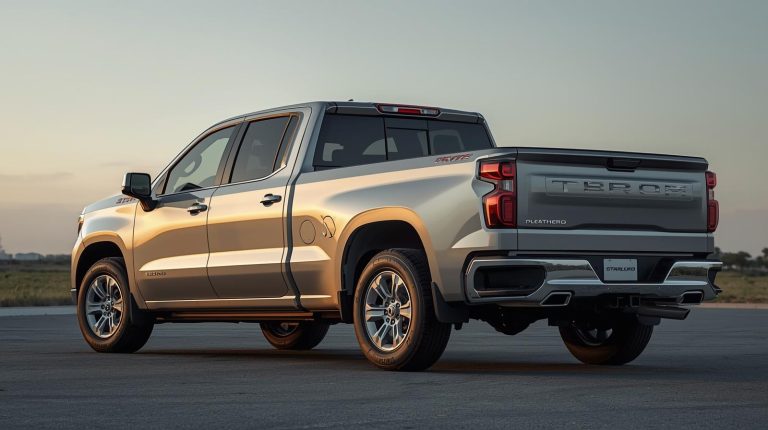
Different types of freight trucks in the USA and their prices start around $30,000 for light-duty pickups and climb past $185,000 for heavy-duty semi-trucks built for serious hauling. But here’s what most people miss.
The price tag on the truck is only part of the story. Some cheaper trucks eat up more fuel and maintenance costs. Others sit idle because they can’t handle the loads that actually pay well.
Every truck class comes with its own sweet spot for making money versus burning through cash. What works for an owner-operator running regional routes might be completely wrong for a fleet hauling cross-country freight.
Light and Medium Trucks That Actually Make Sense
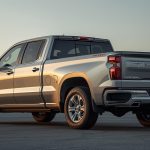
Light-duty trucks do all those everyday jobs like local deliveries and quick cargo runs. Class 1 to 3 models go for about $30,000 to $55,000 brand new. Want to save cash?
Used ones sell between $20,000 and $40,000, perfect for anyone dipping their toes into trucking without going broke. Medium-duty trucks are interesting because they fit right between basic vans and those monster semis.
Box trucks and flatbeds cost $50,000 to $80,000 new. Furniture movers love them. Construction crews use them constantly. Beverage companies run them nonstop. The thing is, owning the truck means nothing if it just parks there empty.
That’s where Truck Dispatch Services come in handy, keeping wheels turning and money flowing.
The Real Workhorses Everyone Talks About
Class 7 trucks bring actual muscle but still squeeze through city traffic without causing headaches. New ones cost $80,000 to $120,000, though plenty of used models sell for $50,000 to $85,000. Garbage trucks, tow rigs, and city delivery vehicles usually fall into this category.
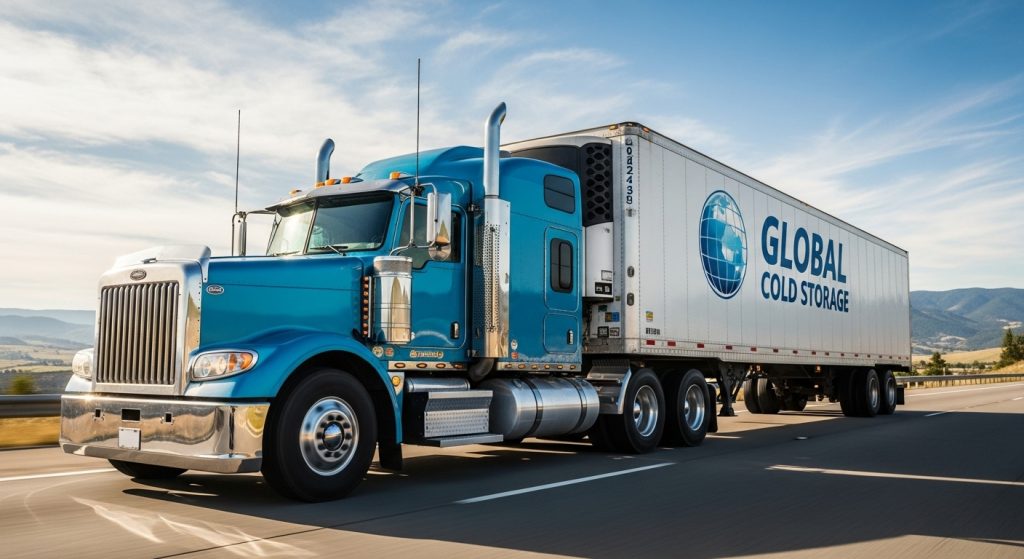
Class 8 semis are what most people picture when trucking comes up. These big rigs from Freightliner, Peterbilt, and Kenworth run anywhere from $120,000 to $185,000 new.
The used market offers way more flexibility at $40,000 to $110,000 based on mileage and how well the previous owner treated it. Cash flow gets tight waiting 30 or 60 days for customers to pay, which is why many operators use Freight Factoring to get paid within 24 hours instead.
Specialized Rigs That Cost Extra But Pay Different
Refrigerated trucks keep stuff cold while it rolls. Ice cream, medicine, fresh food, whatever needs temperature control. Just adding the cooling unit slaps another $10,000 to $30,000 onto the price.
New reefers start around $150,000 and climb to $200,000 for fancy setups with all the sensors and backup systems. Tanker trucks haul liquids and gases, which means tons of safety equipment get built in. Expect $100,000 to $175,000 for new ones.
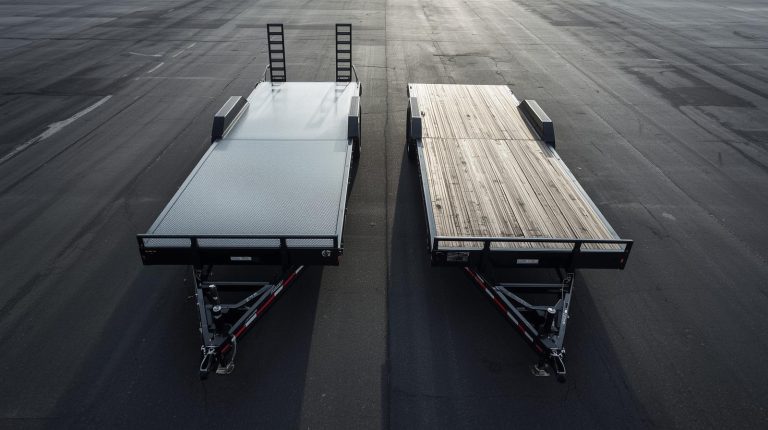
Flatbeds with those adjustable decks? Construction outfits grab those for oversized loads. Auto haulers go for $130,000 to $160,000. Dump trucks land between $100,000 and $150,000 based on how much dirt they can carry and what kind of hydraulics they’ve got.
Quick Price Comparison Nobody Else Shows
| Truck Class | Type | New Price Range | Used Price Range | Common Uses |
| Class 1-3 | Light-Duty | $30,000 – $55,000 | $20,000 – $40,000 | Local deliveries, courier services |
| Class 4-6 | Medium-Duty | $50,000 – $80,000 | $35,000 – $60,000 | Furniture moving, construction materials |
| Class 7 | Heavy-Duty | $80,000 – $120,000 | $50,000 – $85,000 | City delivery, refuse collection |
| Class 8 | Semi-Trucks | $120,000 – $185,000 | $40,000 – $110,000 | Long-haul freight, interstate shipping |
| Specialized | Refrigerated | $150,000 – $200,000 | $90,000 – $140,000 | Perishable goods, pharmaceuticals |
| Specialized | Tanker | $100,000 – $175,000 | $60,000 – $120,000 | Liquid and gas transport |
Money Stuff That Sneaks Up Fast
Fuel hits different when running a truck business. Then insurance shows up at $8,000 to $15,000 every single year just for Class 8 rigs. Tires wear out. The brakes need replacing. Something always breaks at the worst possible time.
Trucks lose value, too, which messes with resale down the road and tax planning. Sure, newer models sip less fuel, but dropping $180,000 upfront stings.
Getting really good at Rate Negotiation means landing loads that actually cover all these costs and then some. And honestly? Having solid Truckers Accounting backing things up keeps the financial mess organized and the IRS happy.
Picking What Actually Works
Starting with a used Class 8 makes way more sense for keeping costs realistic upfront. Bigger companies with steady income go new for warranty protection and fuel savings. Market timing matters too.
Prices jump when freight’s booming, drop when things slow down. Banks offer loans. Dealers push leases. Manufacturers run financing programs. What fits depends on cash situation and where the business is headed long term.
Real key though? Match the truck to actual work available. An $180,000 rig collecting dust in the yard burns money faster than a $70,000 truck running loads every week.
Questions People Keep Asking
1. What is the most cost-effective freight truck for starting a trucking business?
Used Class 8 semis around three to five years old hit that sweet spot. Prices sit between $60,000 and $90,000 with tons of working life left in them.
2. How much do freight truck prices vary between new and used models?
New costs about forty to sixty percent more than used comparable models. Better mileage and fewer repairs help offset some of that price gap eventually.
3. What hidden costs should someone consider beyond the truck purchase price?
Insurance, permits, fuel, and maintenance easily tack on $30,000 to $50,000 yearly to expenses. Breakdowns and sitting idle cut earnings hard, too.
4. Do specialized freight trucks hold their value better than standard models?
Depends on market demand for that specialty, honestly. Standard trucks are easier to sell and usually keep steadier resale prices overall.
Maximize returns on your freight truck investment. Rock & Roll Transportprovides comprehensive support services that help trucking businesses thrive, from finding profitable loads to managing finances effectively. Visit our website to discover how professional dispatch and back-office solutions transform truck ownership into sustainable success.