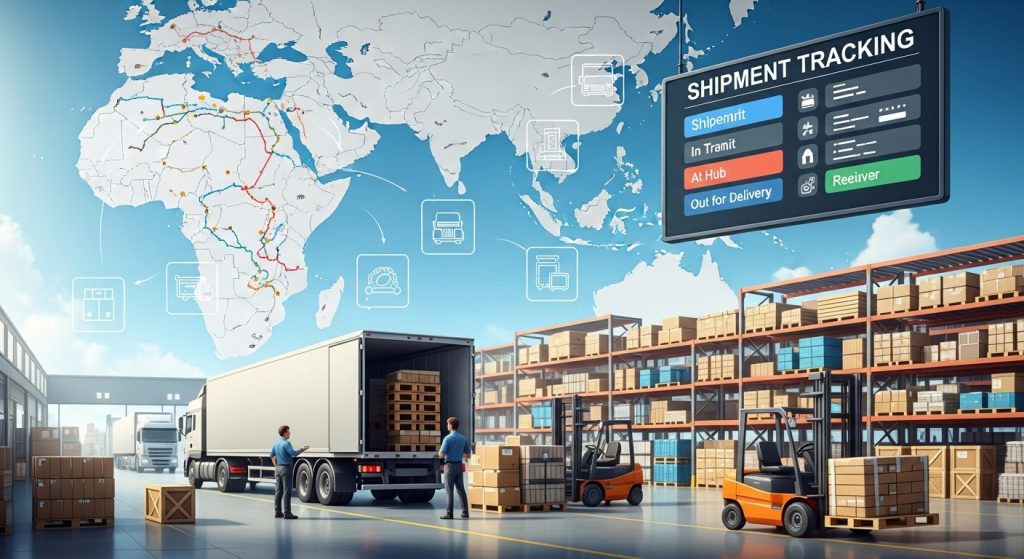
Freight forwarding is just a fancy term for getting your goods from point A to point B. Freight forwarding businesses work with shipping companies, airlines, hauliers, and customs authorities to move items from their point of origin to their final destination.
Freight Forwarding Explained In Simple Words
The transportation of products from one location to another is arranged by freight forwarders. Packages, crates, containers, or a combination of the three could make up the items. They are employed by businesses and people who import and export commodities.
The degree of the forwarder’s engagement in the items’ trip is determined by the client. For instance, it could involve transporting a container load from one nation’s factory to another (for further assembly), or it could include completed goods that are sent straight from the manufacturer to a store’s warehouse.
The freight forwarding company can use a variety of shipping methods, including trucks, rail, airplanes, sea, and ships.
The History Of Freight Forwarding And How It Evolved Over Time
You could assume that it’s a cutting-edge business solution that emerged from international e-commerce, but it’s not. The concept has existed for over a century. In the past, freight forwarders assisted people in transporting goods throughout Europe by train or sea.
In 2026, we have worldwide networks, AI-driven tracking, and digital dashboards. The same task, but completed more quickly (and with fewer paper cuts).
How The Freight Forwarding Process Works Step By Step
Freight forwarders usually carry out a combination of the following tasks for clients:
- Picking the safest and fastest routes for every shipment based on road and weather conditions.
- Giving guidance on proper packaging, labeling, loading, and stacking of goods.
- Choosing the right carriers and booking shipments to make sure cargo reaches the destination on time.
- Monitoring shipments closely and updating clients about their location through tracking systems
- Handling customs brokerage by preparing and submitting all import and export paperwork for the client.
- Arranging storage when goods need warehousing during transit.
- Reducing costs at every step by managing freight charges, paperwork fees, customs duties, and negotiating better carrier rates.
- Providing environmental reports with key data such as carbon footprint measurements.
- Offering cargo insurance with fair terms and competitive pricing.
- Managing insurance claims for clients whenever needed.
- Planning cargo space wisely by combining shipments when possible to lower overall transportation costs.
Different Types Of Freight Forwarding Services
Freight forwarding businesses may collaborate with one or more carriers to guarantee that the items travel from point A to point B in a safe and legal manner. The carriers may employ one or more forms of transportation, such as air freight, ocean freight, and road haulage.
Road Freight Transport- Common Truck Types Used In Shipping
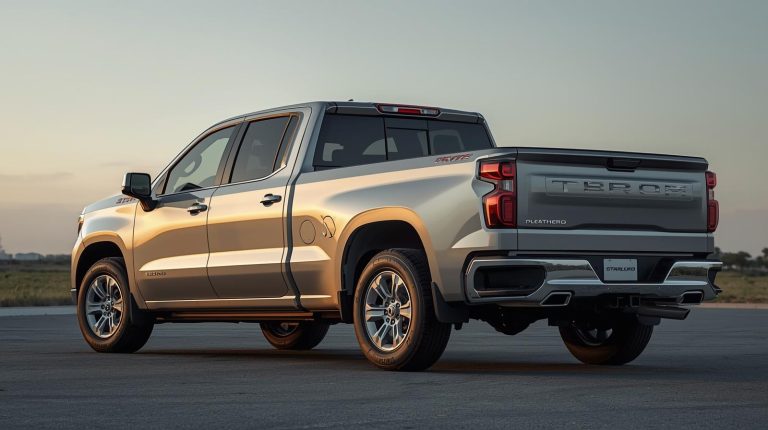
The freight forwarding business will determine which kind of truck is best for transporting the goods. Though there are various forms of road transportation that are specifically made to transport non-standard items, articulated lorries (Artics) are the most popular. For instance:
- The most common and economical method of moving containers by road is the container truck. It incorporates curtain-sided transportation, such as the container truck, which has a sturdy soft side that makes it perfect for swiftly loading and unloading cargo.
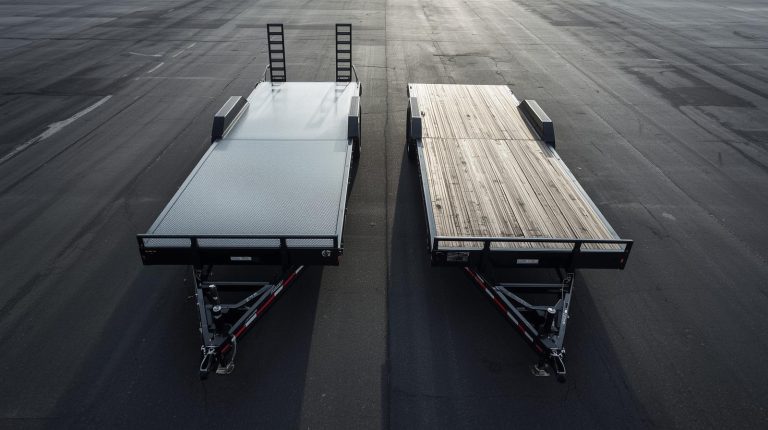
- For transporting large construction equipment, flatbed, semi-low loader, and low loader road transportation are perfect.
- Temperature-controlled/ reefer trucks are used to move perishables like food.
- Box trucks are ideal for transporting perishable items and clothing that is sensitive to the weather.
- Automobile transportation can be used for specialized machinery with built-in ramps for simple vehicle loading and unloading.
- Transportation of liquids, chemicals, and gases by tankers.
- An HIAB is used to load and unload vehicles in the industry. It is also referred to as a lorry-mounted crane or lorry loader. Additionally, it can be used in tandem with a side loader, which offers a practical method of loading and unloading shipping containers.
Freight Forwarder Vs 3PL- What’s The Real Difference?
While a freight forwarding business typically just manages the flow of products, a 3PL (Third Party Logistics) provider can manage any aspect of your supply chain activities.
Value-added services, including container storage and unloading, kitting, assembly, returns management, and warehousing (including customs bonded warehousing) can all be provided by a 3PL. This is in addition to “goods in” services, including order processing, pick and pack, delivery, courier transportation, and unloading goods.
Why Businesses Choose Freight Forwarders For International Shipping
Reasons to use a freight forwarder for your logistics
Business growth support: A freight forwarder handles the daily logistics work, letting you spend more time expanding and improving your business.
Easier customs process: Trusted freight forwarders are AEO certified, which means they are trained to manage customs rules and move shipments smoothly across borders.
Industry knowledge: Freight forwarding companies are known for their experience in handling every detail of the logistics process with care and accuracy.
Lower shipping costs: Because they manage large shipment volumes, freight forwarders can combine loads and secure better rates through bulk shipping advantages.
Final Thoughts
If you have read this far, you probably know more about freight forwarding than the majority of individuals. Additionally, the correct freight forwarder can relieve your tension, even though it may initially seem daunting.
Freight forwarders are like logistics assistants, whether you ship once a year or send items abroad every week. They are experienced, manage the stress, and ensure that your shipment arrives at its destination with fewer surprises.