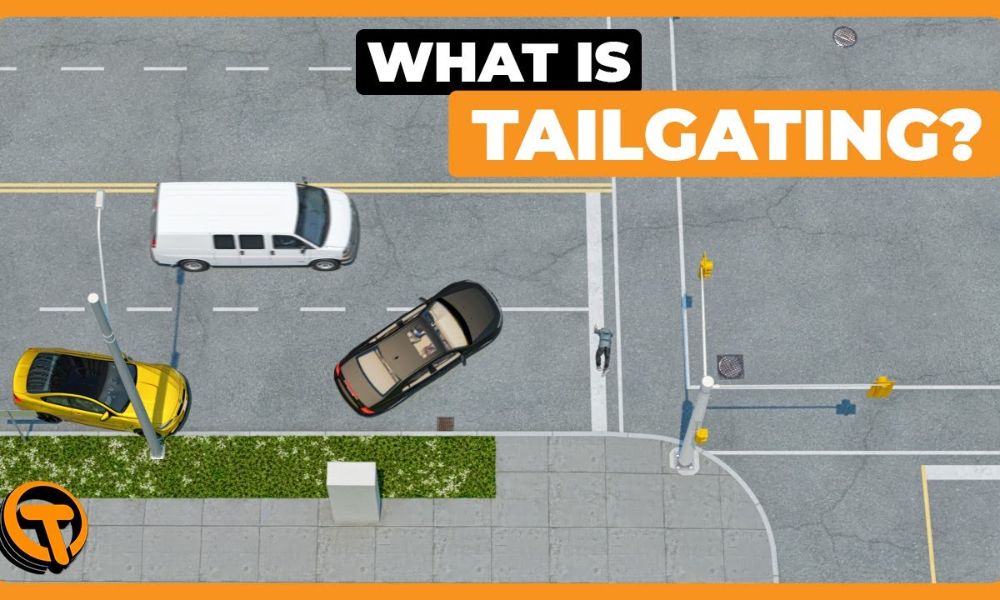
One of the most common yet dangerous situations on the road is tailgating. Driving too close to the vehicle in front of you, commonly known as ‘tailgating’ , makes it difficult to stop in an emergency, and is a factor in 1 in 8 collisions on our network.
For the driver being tailgated, it introduces a sense of pressure and unease, knowing that should they need to brake suddenly, the vehicle behind might not have enough time to stop, leading to a collision. It can have negative impacts on all drivers sharing the road and can potentially lead to conflict and confrontation.
Why Do People Tailgate Vehicles?
People tailgate for a number of reasons, ranging from simple distraction to wanting you to drive more quickly. However, reduced wind resistance for heavier vehicles and road rage or passing preparation may be two of the most common causes of tailgating.
Common Mistakes In Dealing With Tailgating
When confronted with a tailgate, drivers frequently turn to strategies that can make the situation worse rather than better. Some try to accelerate because they think the vehicle behind them will slow down. But this just makes the tailgater follow closely, now at a faster speed, putting both drivers at much greater risk.
- Aggressive Signals and Gestures: Some may attempt to use mirrors, brake checks, or hand signals to tell the tailgater to back off.
- The Danger of Brake-Checking: Brake-checking, which involves suddenly applying the brakes to scare the driver behind, is very dangerous. It raises the possibility of a mishap in addition to startling the tailgater. Additionally, these behaviors may be interpreted as confrontational, which could make the situation worse.
How To Avoid Tailgating Other Drivers
Even while tailgating is often associated with aggressive driving, it’s simple to inadvertently tailgate other individuals. For instance, you might underestimate the speed of the car in front of you or be cut off by another vehicle.
According to the Highway Code, “allow at least a two-second gap between you and the vehicle in front on roads carrying faster-moving traffic. This includes the time required for reflection and pausing.
- Brake Early and Gently: Start braking earlier than usual when approaching intersections, hazards, or slower-moving traffic. This lessens the possibility of sudden braking and gives the tailgater more time to react.
- Slow Down Gradually: If you’re being tailgated, reduce your speed and give the car in front of you more room. This lessens the possibility of abrupt braking and gives more stopping time.
- Don’t Engage: Resist the impulse to try to talk to the tailgater or make hand signals. Interacting with them could result in unsafe overtaking or an increase in anger.
- Create a Buffer: Think about letting the tailgater pass, if it’s safe to do so and you’re on a multi-lane road. This could ease your anxiousness and make the trip safer for you both.
- Avoid Staring at the Mirror: It won’t help to constantly look at the car behind you. You may become distracted from the road ahead, which increases the likelihood of abrupt stops. Keep your focus on the road ahead while being mindful of the tailgater.
What The Law Says
Many drivers don’t realise that tailgating is actually illegal and can result in fines and penalties. According to Rule 126 of the Highway Code, dangerous or careless driving, including driving too close to another vehicle, is monitored and enforced by the police. If officers see you following a vehicle at an unsafe distance, they can step in and take action for lack of proper care and attention. This may lead to a £100 fine along with three penalty points added to your driving licence.
Why Is It Dangerous To Tailgate A Truck?
There are various reasons why tailgating a truck is risky. First and foremost, you risk rear-ending the truck if it brakes and you haven’t allowed enough stopping distance.
A particularly risky situation is when a vehicle drives under the back of the truck after failing to stop in time. The occupants of the smaller vehicle frequently lose their lives in this kind of collision, which is referred to as an underride crash.
Tailgating also increases the risk of being struck by loose or poorly secured cargo. When you’re following a large vehicle, such as a box truck, and part of its load falls off, having enough space gives you time to react and steer clear. Without that gap, debris on the road can quickly turn into a serious danger.
The Importance Of Maintaining A Safe Following Distance
Keep in mind that trucks may need to brake earlier than smaller cars and take longer to stop. Because of this, you should give the truck in front of you at least three seconds to stop. In bad conditions, extend this distance.
When driving in heavy traffic or in a hurry, it might be annoying to find yourself behind a big RGN truck. However, you can avoid a catastrophic collision by being cautious, keeping a safe distance, and, whenever feasible, maintaining a steady speed.
The Impact Of Tailgating On Safety, Insurance, And Driving Responsibility
From a safety and insurance perspective, keeping a safe distance is about more than just preventing crashes; it also helps protect your driving history and future claims. Many insurance companies look closely at how accidents happen, and collisions caused by tailgating can result in higher premiums or even rejected claims.
For commercial drivers, particularly those involved in vehicle dispatching, following safety-related rules is essential to avoid delays, fines, and legal trouble. In simple terms, safe driving keeps traffic smoother, work schedules on track, and insurance stress to a minimum.