According to the Federal Motor Carrier Safety Administration, winter circumstances were a major factor in the 52% increase in truck accidents between 2010 and 2021
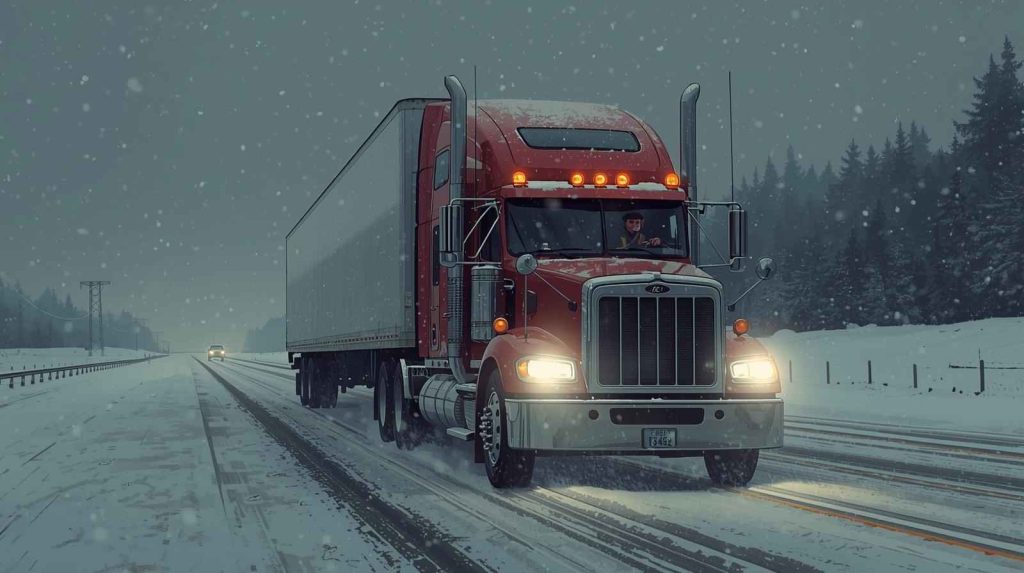
It is that time of the year again when truck drivers face a unique set of challenges on the road. Winter weather can have a major effect on road conditions, resulting in slick surfaces, poor visibility, and erratic driving circumstances.
Besides the size and weight of their vehicles, truck drivers may face additional difficulties, so it’s critical to comprehend the particular dangers of winter driving. In addition to preparing an emergency bag in case you become caught in the snow and checking the weather prediction, there are other winter routines that you should adhere to.
Experienced transporters recommend habits such as reducing speed, preparing your vehicle properly, mastering winter driving techniques, maintaining your tires, and knowing when conditions are too unsafe to continue.
Here are the best tips for carriers driving during winter.
Top 5 Winter Driving Tips for Truckers
It is crucial for truck drivers to be prepared and exercise caution when facing winter driving conditions
1. Reduce Your Speed and Increase Following Distance
Speed reduction is your number one defense against winter accidents. Drop your speed by 30-40% on snowy roads. If the posted limit is 65 mph, drive at 40-45 mph instead. This gives you critical reaction time.
Following distance needs to increase dramatically. The standard three-second rule becomes a nine-second rule in winter. Count slowly until you reach nine seconds. That’s your new safe distance. Professional safety and DOT compliance training covers these techniques in detail.
2. Prepare Your Truck Before Winter Arrives
Your truck needs winter-ready status before you hit the road. Start with a thorough inspection at least one week before winter weather arrives.
Essential Winter Checklist:
- Check all fluid levels, including antifreeze and windshield washer fluid
- Test battery strength and charging system
- Inspect wipers and replace worn blades
- Examine tire tread depth (minimum 4/32 inch)
- Verifythe heater and defroster work properly
- Test all lights, including brake lights and turn signals
Keep emergency supplies onboard. Include blankets, a flashlight, a first aid kit, sand or cat litter for traction, jumper cables, and extra food and water. A simple hammer and putty knife can help if your air tanks freeze.
3. Master Smooth and Gentle Driving Techniques
Smooth, gentle movements prevent skids and keep you in control. Accelerate slowly. Brake gently and early. Turn the wheel gradually. Sudden actions break traction and cause slides.
When you feel a skid starting, resist the urge to slam the brakes. Ease off the accelerator. Steer in the direction you want to go. Don’t overcorrect. This takes practice but becomes second nature over time.
Professional truck dispatching services can help you plan routes that avoid the worst weather. They monitor conditions in real-time and reroute you when necessary.
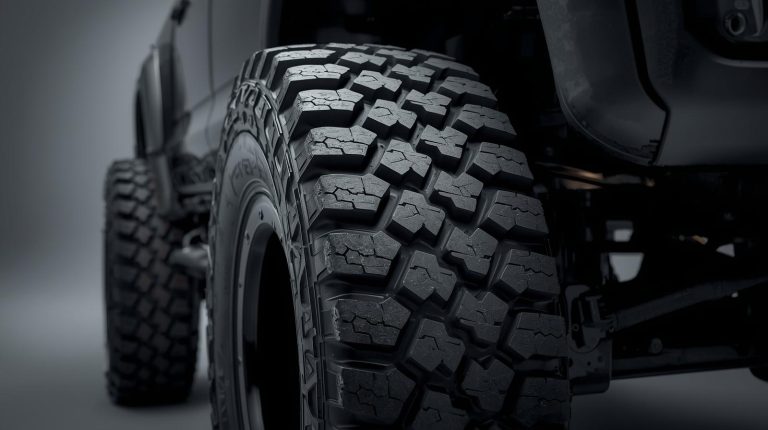
4. Maintain Your Tires for Maximum Traction
Your tires are your only connection to the road. Winter demands extra attention to tire care. Check pressure every week because cold weather drops PSI quickly. For every 10-degree temperature drop, tires lose 1-2 PSI.
Winter tires provide superior grip in cold conditions. They’re made from softer rubber compounds that stay flexible below 45°F. The tread patterns are designed to channel snow and slush away.
Inspect tread depth regularly. Use the penny test: Insert a penny into the tread with Lincoln’s head upside down. If you can see all of his head, replace the tire immediately. Regular document management helps you track maintenance records.
5. Monitor Weather and Know When to Stop
Clear vision saves lives. Clean all windows, mirrors, and lights before starting. Keep them clear during your trip. Carry extra washer fluid rated for low temperatures.
Weather monitoring should be constant. Check forecasts before and during your trip. Download weather apps that provide road condition updates. Listen to AM radio for real-time traffic and weather reports.
Know when to stop. If conditions become too dangerous, find a safe place to park. No load is worth risking your life. Experienced dispatchers offering rate negotiation services understand this and work with you to reschedule deliveries.
The Key Takeaway
Truck drivers can improve their abilities and confidence when dealing with the difficult circumstances of winter roads by learning about the difficulties of winter driving, lowering their speed, preparing their vehicle, developing gentle procedures, and taking care of their tires.
Rock & Roll Dispatch understands the unique challenges truck drivers face during the winter months. Our experienced team provides 24/7 support to help you navigate safely through harsh conditions. Our after-hours dispatchers work closely with you to ensure your safety comes first.
Your family wants you home safe. Every load can wait for better weather. Stay safe out there, and keep those wheels turning responsibly all winter long.