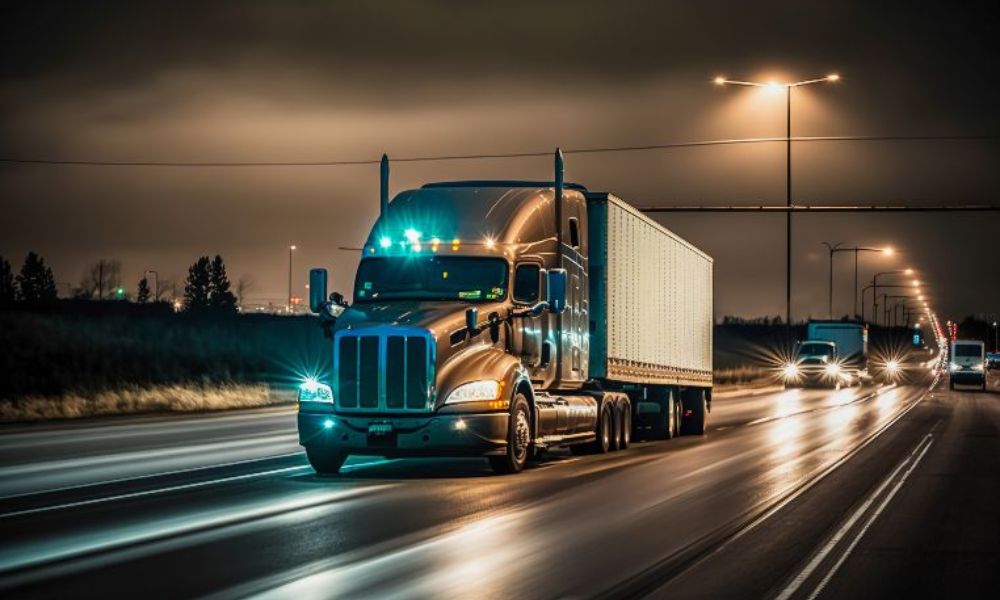
Driving at night is something many truck drivers do to meet delivery and pickup schedules. Yet the moment darkness sets in, the challenges on the road can increase a lot, mainly because what lies ahead isn’t always clear. Even with traffic usually being lighter after sunset, nearly 50% of all traffic deaths still occur during those hours. Understanding the safety considerations of night trucking becomes essential, and knowing how to make your night shift safer can make a big difference. By doing so, you help protect yourself and everyone else sharing the road.
6 Essential Night Driving Tips For Truck Drivers
Once you’re on the road, these habits keep you safe after dark.
- Prepare Your Truck Before Sunset
Examine the truck’s headlights to make sure they are in good condition. Adjust the headlights while driving. This will help you to avoid interfering with other drivers’ visibility. Examine the indicator lights, brake lights, and taillights; if any of them are broken, replace them right away. Your visibility is cut in half by dirty lights. Any burned-out bulbs should be replaced immediately. To acquire the ideal rear view, keep the widows and mirrors spotless.
- Use High Beams Wisely
Use your high beams in the dark whenever it is safe to do so. You can see twice as far ahead (500 feet) with high beams as with low beams (about 250–300 feet). When you are 500 feet or less from an approaching vehicle, switch to low lights. Never cause other drivers to become blind. Everyone is at risk because of it. Your pre-inspection checklist should already include this task. Make sure to add it if it isn’t already.
- Lower your driving speed
If conditions are poor, drive at the posted speed limit or more slowly. Make sure you have enough room between you and other cars. A passenger car needs somewhat more than 300 feet to stop at 65 mph. When the tractor-trailer is fully loaded, this length grows to about 525 feet. Additionally, if the road is slick or wet, these distances may be significantly longer. What appears secure during the day turns hazardous at night. Keep an eye out for animals that cross roads. Animals, including deer, are more active at night.
- Reduce glare
A truck traveling at 55 mph can cover the distance of a football field in only 5 seconds. Thus, five seconds of glare-induced blindness can be harmful. Maintain a clean windshield to reduce glare. You should regularly change your wiper blades. Turn down the lights on your dashboard. Make sure your corrective lenses are clean and have anti-glare protection if you wear them. Avoid looking straight into their headlights. This easy method helps your eyes stay accustomed to the dark.
- Stay Alert and Well-Rested
According to federal safety data, driver weariness is a factor in about 13% of truck accidents. Never begin a shift exhausted. Before driving, try to get seven or eight hours of good sleep. There is a natural sleep cycle in your body. Make changes to your routine so that you go to bed at your regular bedtime. Avoid attempting to manipulate your circadian cycle. Pay attention to your surroundings in order to react swiftly if necessary, and stay mindful of any potential risks there, such as deer crossing the road or falling boulders.
- Keep Emergency Kit
It’s challenging to get assistance at night. An emergency package helps you be ready for any unforeseen situation when driving a truck at night. First of all, you must have a power bank that you can use to call for assistance in an emergency. Keep a proper map with you. This will help you in case your GPS isn’t working. Keep some bandages and pills in a first aid kit.
Fighting Fatigue Behind The Wheel- Additional Things To Consider
Falling asleep while driving is deadly. Here’s how to stay sharp all night long.
Eat Smart and Stay Hydrated
- Heavy meals make you sleepy. Eat smaller portions with lean protein. Avoid foods loaded with sugar and carbs. They give you a quick boost, then make you crash hard.
- Pack healthy snacks like nuts, fruit, and vegetables. Drink plenty of water throughout your shift. Dehydration makes you tired faster.
- Skip sugary energy drinks. They cause crashes later. Coffee is okay in moderation. But don’t rely on it to replace real rest.
Recognize Warning Signs of Drowsiness
- Know when your body needs rest. Warning signs include frequent yawning, heavy eyelids, and difficulty focusing. Drifting between lanes is a serious red flag.
- If you miss exits or can’t remember the last few miles, you’re too tired. Pull over immediately. No load is worth your life.
Use Your Cab Wisely
- Keep your cab cool. Warm temperatures make you drowsy. Open a window for fresh air. Play upbeat music or listen to podcasts to keep your mind active.
- Avoid medications that cause drowsiness. Check labels carefully. Talk to your doctor about safe options for night shift workers.
Bottom Line
Every driver needs to pay closer attention and concentrate more when operating their vehicle at night. Although quieter or empty roads may be advantageous, it is impossible to overlook the risks of increased weariness, poor vision, and possible wildlife crossings. Do you want someone who puts your safety first? Rock And Roll provides night drivers with devoted assistance with taking care of all your paperwork and negotiating the best prices. Don’t wait more and get in touch with us right now to find out how we can support the growth of your trucking company.