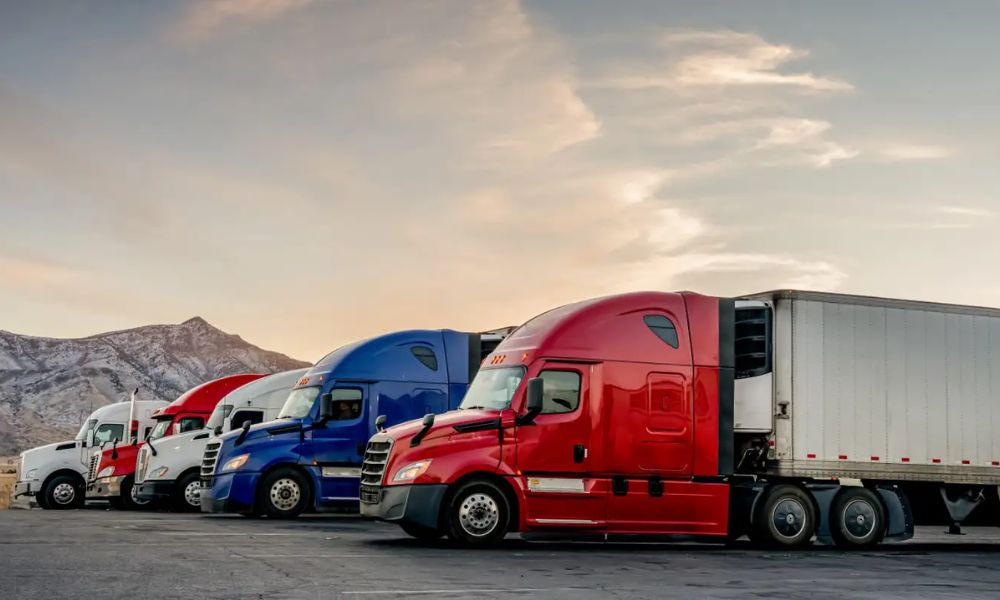
Starting your own trucking company gives you freedom and control. But it takes planning. Over 91% of trucking carriers operate 10 or fewer trucks (American Trucking Associations, 2024). This shows small businesses dominate the industry. Want to join them? Here’s how to do it right.
- Getting Your Business Started Right
Before you hit the road, you need a solid foundation. Think of it like loading a trailer, pack wrong, and everything falls apart. So what comes first?
Build a Strong Business Plan
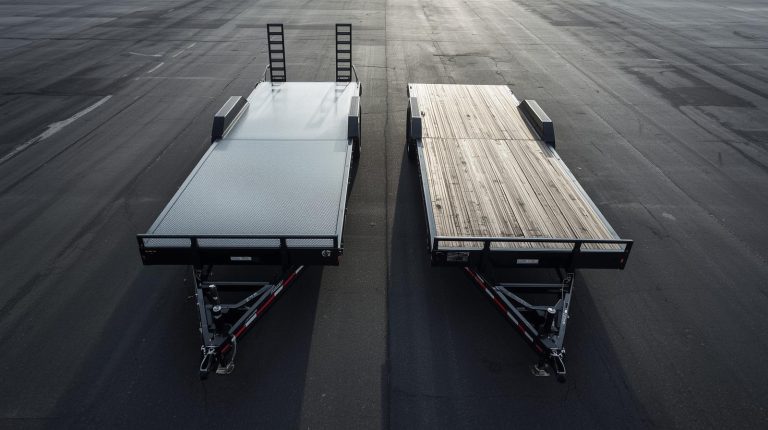
Your business plan is your roadmap. Don’t skip this step. Start by deciding what type of freight you’ll haul. Dry van? Refrigerated? Flatbed? Each type has different needs and costs.
Write down your goals for the first year. How many miles will you drive? What revenue do you need? Include startup costs like trucks, insurance, and permits. Most new companies need $10,000 to $30,000 to begin.
Set aside money for six months of expenses. This buffer helps when loads are slow or repairs pop up. Smart planning now saves headaches later.
Choose Your Business Structure
Pick between these two popular options:
Sole Proprietorship: Simple and cheap to start. You own everything. But if someone sues, your personal assets are at risk.
Limited Liability Company (LLC): Costs more upfront but protects your personal property. Most truckers choose this option. It separates your business from your personal life.
File your paperwork with your state. Get an EIN from the IRS. This number works like a Social Security number for your business.
- Getting Legal And Licensed
Paperwork isn’t fun, but it’s required. Miss a step, and you can’t legally haul freight.
Obtain Your Operating Authority
You need an MC number from the FMCSA. This lets you haul freight across state lines. The process takes 2-3 weeks. Here’s what to do:
- Register for a USDOT number
- Apply for your MC number ($300)
- File a BOC-3 form
- Submit insurance proof
- Get your Unified Carrier Registration (UCR)
- Pay Heavy Vehicle Use Tax (HVUT)
- Set up International Registration Plan (IRP)
- Create IFTA account for fuel taxes
- Join a drug and alcohol testing program
Secure the Right Insurance
Insurance protects your business. Expect to pay $9,000 to $12,000 yearly. The trucking industry handled $940.8 billion in freight costs in 2022. With this much money moving, accidents happen. Get these coverages:
- Primary liability (required by law)
- Cargo insurance
- Physical damage coverage
- General liability insurance
Shop around for quotes. Prices vary based on your truck, routes, and driving history.
- Equipment Decisions That Matter
Your truck is your office. Choose wisely.
Buy or Lease Your Truck
Buying requires a large down payment. New trucks need 10% down. Used trucks need 25%. A $100,000 truck means $10,000 upfront. But you own it and build equity.
Leasing costs less monthly. No big down payment. Maintenance often included. But you don’t own the truck at the end. Review terms carefully, mileage limits and wear charges add up.
Match your truck to your freight type. Refrigerated loads need different equipment than dry goods. Wrong equipment means lost opportunities.
- Finding Freight And Getting Paid
You can’t make money without loads. Here’s how to find them.
Locate Quality Loads
New companies face skepticism from brokers. Build trust by delivering on time. Use these methods to find freight:
- Load boards (quick but competitive)
- Direct shipper relationships (better rates but takes time)
- Professional dispatching services (handles negotiations for you)
Network with other drivers. Ask for shipper recommendations. Join trucking groups online. Relationships matter in this business.
Manage Cash Flow Wisely
Payment terms can kill new companies. Shippers often take 30 to 90 days to pay. You need fuel and repairs now, not later.
Consider freight factoring. These companies buy your invoices and pay you within 24 hours. They charge a fee (typically 1-8%). But fast payment keeps you running. Look into billing and factoring solutions that streamline payments.
Track every expense. Know your cost per mile. This includes:
- Fuel
- Insurance
- Maintenance
- Permits
- Truck payments
Charge enough to cover costs and make profit. Too low, and you lose money on every load.
5. Staying Compliant And Profitable
Rules change. Stay informed or face fines.
Keep Up With Regulations
Mark all renewal dates on your calendar. Licenses, permits, and insurance all expire. Missing deadlines puts you out of service. Store required documents in your truck where you can find them quickly.
Follow Hours of Service rules. Weight restrictions matter. Good safety scores open doors to better-paying loads. One violation can cost thousands and damage your reputation.
Need help with paperwork? Company formation services handle compliance tasks so you can focus on driving.
Control Operating Costs
Fuel is your biggest variable expense. Small savings add up over thousands of miles. Get a fuel card with discounts. Plan efficient routes. Maintain your truck to maximize fuel economy.
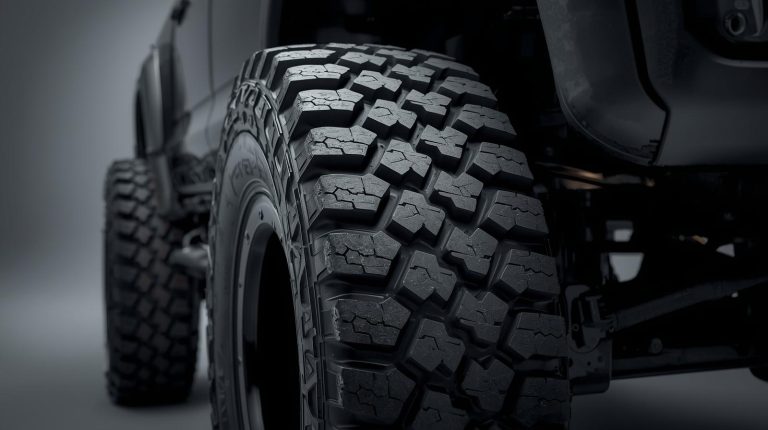
Regular maintenance prevents breakdowns. Oil changes cost less than engine repairs. Check tires monthly. Replace them before they fail on the road.
The trucking industry employed 8.4 million people in 2024 (American Trucking Associations). This massive workforce proves opportunities exist. But only prepared companies survive.
Partnering for Success With Rock & Roll
Starting a trucking company feels overwhelming. You don’t have to do it alone. Rock & Roll specializes in supporting owner-operators and small fleets. We understand the challenges you face because we work with truckers every day.
Our team provides comprehensive support services designed for your success. From dispatch services that find you the best-paying loads to compliance assistance that keeps you legal, we have got your back. We handle the paperwork while you handle the driving.
Need help with IFTA reporting? We connect you with trusted partners. Looking for better rates? Our dispatchers negotiate on your behalf 24/7. We treat every client like family because your success is our success.
Your Road to Independence Starts Now
Building your trucking company takes work, patience, and smart decisions. Start with a solid business plan. Get all permits and licenses before hauling freight. Choose equipment that matches your niche. Find quality loads and manage money carefully.
Compliance isn’t optional; it’s essential. Track expenses to stay profitable. Partner with experienced professionals who understand this industry.
The path to owning a successful trucking company is clear. Small businesses make up the backbone of this industry. With proper planning and the right support, you can join the ranks of successful owner-operators nationwide.
The trucking industry needs motivated, prepared business owners. Start planning today, and you could be hauling your first load in just a few weeks.