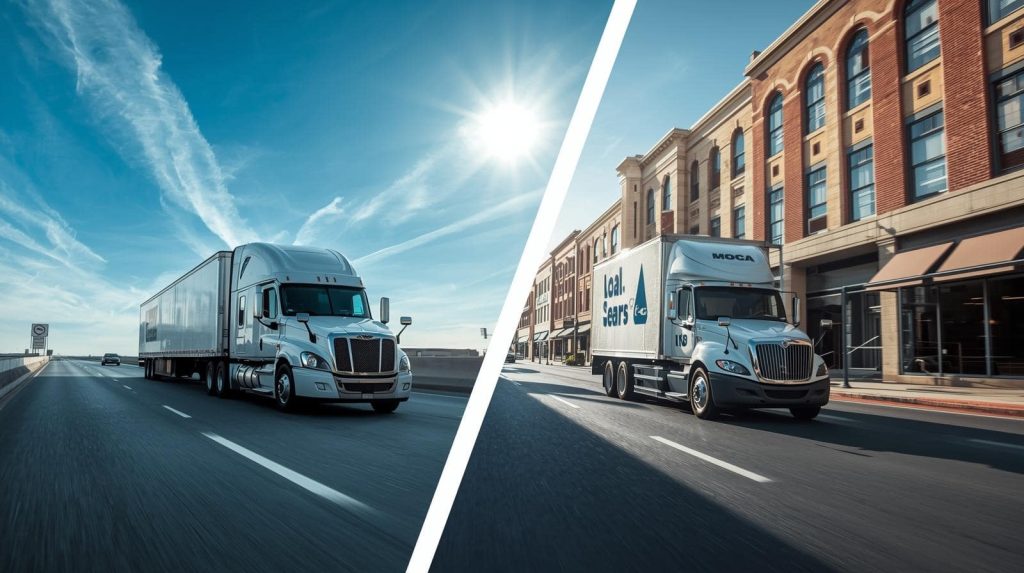
Interstate vs Intrastate Trucking differs in one key way: interstate trucking lets you cross state lines, while intrastate keeps you within one state. In 2024, 3.54 million drivers hauled 11.46 billion tons of freight across the nation. But here’s what most new truckers don’t know: even staying in one state can count as interstate trucking. Confused yet? Keep reading to clear it up.
What Is Interstate Trucking?
Interstate trucking means hauling freight across state lines or international borders. You can drive from Texas to California, or from the U.S. into Canada or Mexico. Simple enough, right?
Here’s where it gets tricky. Even if you pick up and deliver within the same state, you’re doing interstate trucking if the freight crosses state lines at any point. Let’s say you haul goods from Chicago to Nashville. You only handle the part in Indiana. That’s still interstate trucking.
Another example: you’re moving cargo from Baton Rouge to Monroe, both in Louisiana. But the fastest route cuts through Mississippi. Boom, you just became an interstate trucker.
Common Interstate Trucks
Interstate trucking typically uses these vehicle types:
- Refrigerated trailers (reefers)
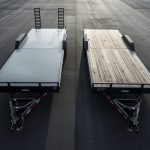
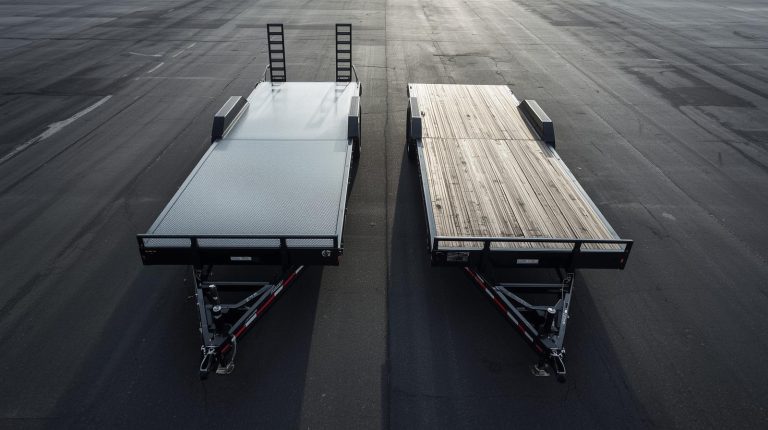
- Flatbed trailers
- Dry van trailers
- Tanker trucks
- Semi-trucks and tractor-trailers
Most owner-operators and small carriers work interstate routes. Why? More freight options and better earning potential.
What Is Intrastate Trucking?
Intrastate trucking is simpler. You pick up freight in one state and deliver it in the same state. No border crossings. No multi-state paperwork.
Think local delivery trucks, construction vehicles, and short-haul operations. These trucks stay close to home and follow state rules instead of federal regulations.
Common Intrastate Trucks
Intrastate operations often use:
- Box trucks
- Garbage trucks
- Dump trucks
- Concrete mixing trucks
- Tow trucks
Companies with local delivery routes or construction firms typically run intrastate operations.
Key Differences Between Interstate and Intrastate Trucking
Understanding the differences between these two types matters for your wallet and your compliance record.
Licensing Requirements
Both need a CDL, but the requirements differ. Interstate CDL holders follow federal FMCSA standards. These include stricter health and safety checks. Intrastate CDL rules vary by state and are often less demanding.
Insurance Coverage
In 2024, trucks moved 11.27 billion tons of freight, with industry revenues reaching $906 billion. That’s a lot of cargo to protect.
Interstate carriers must meet FMCSA minimum coverage:
- Non-hazardous cargo (under 10,001 lbs): $300,000
- Non-hazardous cargo (over 10,001 lbs): $750,000
- Hazardous materials: $5 million
Intrastate insurance varies by state. Some states copy federal rules. Others set their own limits. Check your state’s requirements.
Operating Authority
Interstate truckers need a USDOT number and federal operating authority. You also register under the Unified Carrier Registration (UCR) Act. These requirements don’t apply if you work in a federally designated commercial zone.
Intrastate carriers don’t need federal authority. But about half the states require state-level operating authority.
Fuel Tax Compliance
Interstate carriers use the International Fuel Tax Agreement (IFTA). This lets you file taxes in your home state only. No separate permits for each state you drive through.
Some states require separate intrastate fuel permits. These include Connecticut, Indiana, Kentucky, and Pennsylvania.
What Both Types Share
Despite the differences, interstate and intrastate trucking have common ground.
All truckers must follow these rules:
- CDL requirements (state or federal)
- Drug and alcohol testing programs
- Commercial insurance coverage
- Hazmat certification (if hauling dangerous goods)
Safety regulations apply to everyone. Carriers must verify driver qualifications and maintain proper records.
Why Rock & Roll Makes Your Trucking Business Easier
Choosing between interstate and intrastate is just the start. Once you’re on the road, you need support that actually works.
Rock & Roll specializes in truck dispatch services for owner-operators and small trucking companies. We find high-paying freight loads while you focus on driving. Our dispatchers negotiate the best rates so every mile counts toward your bottom line.
We handle all the paperwork. Invoices, broker negotiations, route planning, we have got it covered. You choose where you want to drive, and we secure the loads.
Our services include:
- Dedicated dispatcher for your account
- 24/7 weekend support when you’re on a load
- Free invoice submission to factoring companies
- No hidden fees or surprise charges
Making Your Choice- Interstate or Intrastate?
Most owner-operators prefer interstate trucking. Here’s why:
More opportunities. You can bid on loads anywhere in the country. State lines don’t limit your options.
Better flexibility. Pick the routes that pay best. You’re not stuck with local rates.
Growth potential. Interstate authority lets you take intrastate loads too. Intrastate authority doesn’t work the other way.
The trucking industry employment now includes 3.54 million drivers. That’s a massive workforce moving freight every single day. Joining them with the right classification makes all the difference.
Bottom Line
Interstate vs Intrastate Trucking comes down to where you drive and which rules you follow. Interstate gives you more freedom and earning power. Intrastate keeps things local and simpler.
Know the differences before you start. Get the right licenses. Buy proper insurance. Follow the regulations that apply to you.
And remember: running a successful trucking business means more than just knowing the rules. You need partners who understand the industry and support your growth. That’s where professional dispatch and logistics support become your competitive edge on every single haul.